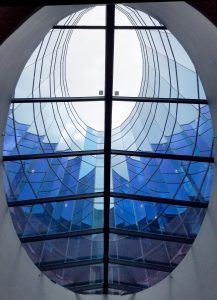
Natural light can transform any space—making rooms feel larger, reducing energy costs, and improving well-being. One of the most effective ways to bring natural light into a building is through skylights. Skylights enhance both the ambiance and functionality of a space. But what is a skylight exactly, and how do you choose the right one for your property?
In this guide, we’ll explore everything you need to know about skylights, from basic definitions to the various types available and their benefits. If you are considering installing a new skylight, it’s important to understand the benefits and considerations involved.
What Is a Skylight?
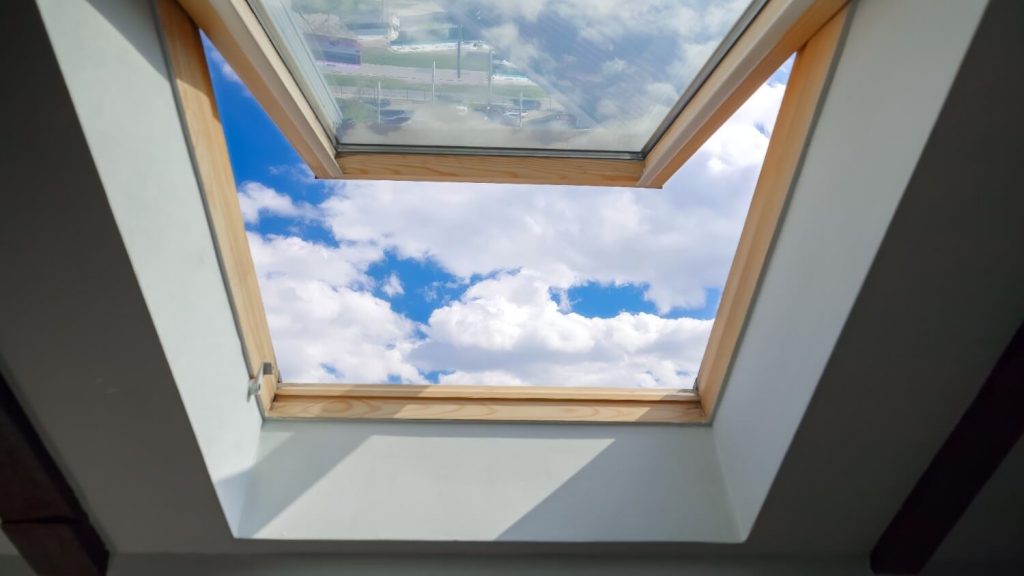
A skylight is a window installed in a roof or ceiling that allows natural light to enter from above. Unlike traditional vertical windows, skylights provide up to three times more light than conventional windows of the same size. You can control how much light enters your space using features such as blinds or filters, adjusting brightness for privacy or comfort.
Whether you want to brighten a dark hallway, create an airy atmosphere, or add architectural interest, understanding skylights is the first step to making an informed decision.
Types of Skylights by Operation
Fixed Skylights
Fixed skylights do not open and require only regular cleaning. They’re ideal for high ceilings, hard-to-reach locations, and budget-conscious projects.
Ventilated (Operable) Skylights
Ventilating skylights can be opened manually or automatically to provide fresh air alongside natural light. They help improve ventilation by allowing hot air near the ceiling to escape, enhancing airflow and indoor comfort. Modern versions often feature electric or solar-powered operation, rain sensors, and smart home integration. They’re especially useful in kitchens and bathrooms.
Tubular Skylights (Sun Tunnels)
Tubular skylights consist of a small dome on the roof connected to a reflective tube that channels sunlight into the room below. These compact systems suit small spaces like bathrooms, hallways, and closets where traditional skylights aren’t practical.
Types of Skylights by Roof Configuration
Flat Roof Skylights
Designed for flat or low-slope roofs, these have a low-profile design that integrates with the roofline while maintaining energy efficiency.
Pitched Roof Skylights
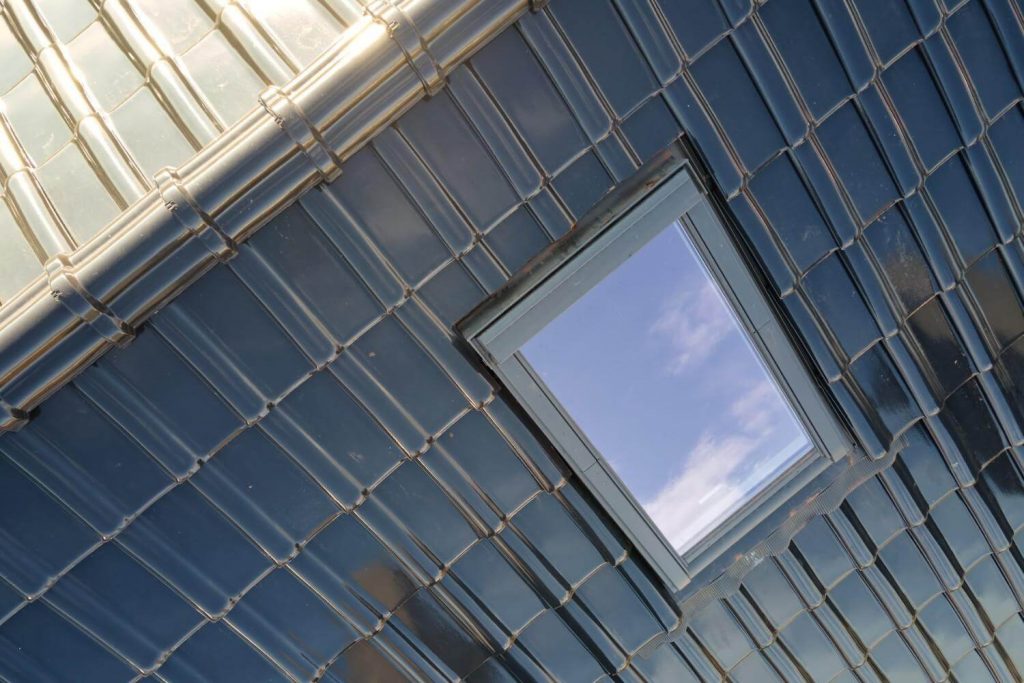
For sloped roofs, pitched skylights can be deck-mounted (installed directly on the roof deck) or curb-mounted (installed on a raised frame). Curb-mounted skylights sit above the roof surface, making sealing, removal, and replacement easier. Deck-mounted skylights are installed directly into the roof deck, which can make maintenance more challenging. Both provide abundant illumination and enhance architectural character.
Skylight Materials
Choosing the right material is essential for energy efficiency and durability. Popular options include glass, acrylic, and polycarbonate.
Glass skylights offer clarity, longevity, and crisp views. High-quality skylights use laminated or tempered glass for impact resistance and safety. Many feature low emissivity (low-E) coatings to block UV rays and reduce heat loss, making them energy efficient.
Acrylic skylights are lightweight and cost-effective. Known for flexibility and shatter resistance, they are often used in dome or pyramid styles. Acrylic may scratch or discolor over time compared to glass.
Polycarbonate skylights provide superior impact resistance and UV protection, common in commercial settings or areas needing extra durability.
Consider insulation, maintenance, and your space’s needs when selecting materials to enjoy more natural light and reduce your carbon footprint.
Commercial Skylight Configurations
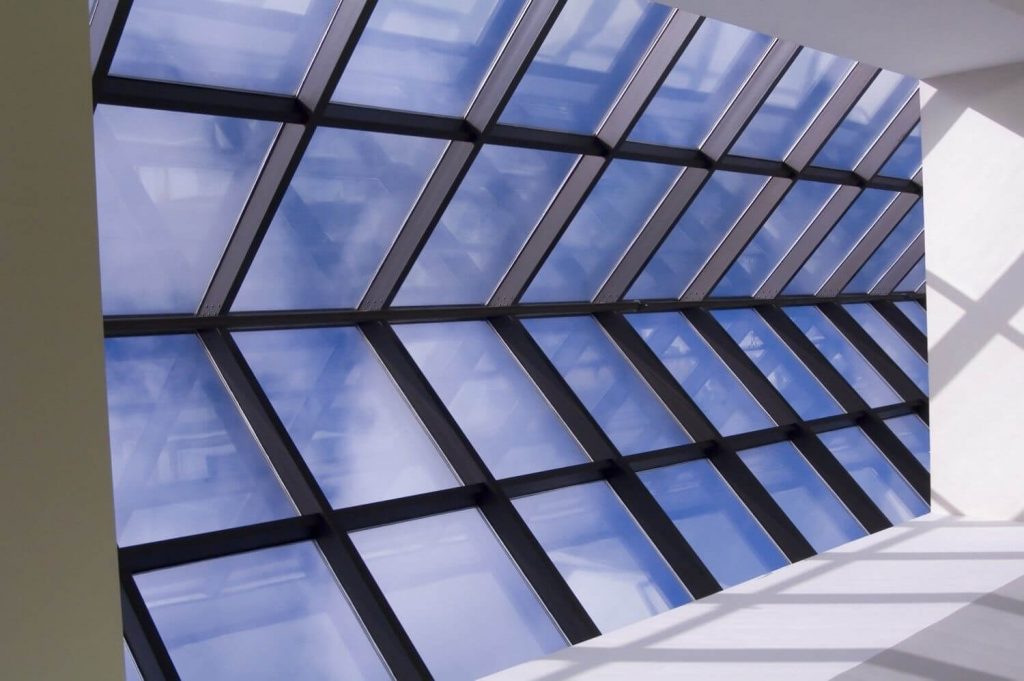
Commercial buildings use specialized designs:
- Single Slope – A single angled plane for balanced light
- Ridge Skylights (Double Slope) – Two sloping sides meeting at a peak
- Pyramid Skylights – Four sides converging at a point, creating a unique design element
- Dome Skylights – Rounded, dome-shaped acrylic skylights, weather and hail resistant
- Round Skylights – Circular interior shape, flat exterior, versatile for deck- or curb-mounted installation
- Walk-On Skylights – Engineered to handle foot traffic while allowing sunlight below
Key Benefits of Skylights
Enhanced Natural Light
Skylights flood interiors with daylight, reducing reliance on artificial lighting.
Energy Savings
By reducing electric lighting needs, skylights lower energy consumption and utility costs. Properly placed skylights contribute to passive solar heating in winter. Some energy-efficient or solar-powered skylights may qualify for federal tax credits.
Health and Wellness
Natural light regulates circadian rhythms, improves mood, and boosts productivity.
Space Enhancement
Light from above makes spaces feel larger and more open, especially in small or windowless rooms.
Increased Property Value
Quality skylights can increase property values and market appeal.
Design Considerations
Orientation
The direction affects light quality:
- North-facing – Consistent, cool light
- East-facing – Morning light and warmth
- West-facing – Afternoon sun
- South-facing – Maximum winter solar heat gain (may need shading in summer)
Sizing
Industry standards suggest about one square foot of skylight per twenty square feet of floor space. Rooms with windows should keep skylight coverage within 5%, while interior rooms may benefit from 10-15%.
Glazing Options
Choices include clear, tinted, low-E, laminated, or tempered glass. Plastic glazing is a cost-effective, impact-resistant alternative but may scratch or discolor more easily.
Challenges
Maintenance
Skylights can be hard to access for cleaning.
Waterproofing
Proper installation is crucial to prevent leaks and moisture issues.
Heat and Glare
Positioning, glazing, and shading help manage heat and glare.
Making the Right Choice
Understanding skylights empowers you to enhance your property’s appeal and comfort. Proper installation by professionals ensures performance and leak prevention. Adding skylights can be a valuable investment.
Ready to bring more natural light into your space? Contact a skylight expert today for a free estimate and professional advice.
Crystal Structures Glazing specializes in premium skylight solutions for residential and commercial properties. Contact us to learn more.