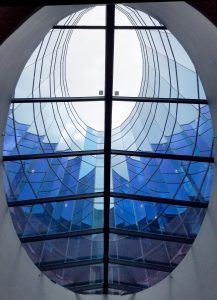
Adding a glass-enclosed room to your project increases living space, lets you enjoy natural light, and connects you with the outdoors year-round. These rooms, typically attached to a house, enhance value, functionality, and outdoor connection. When researching, you’ll find three common terms: solarium, sunroom, and conservatory. Though sometimes used interchangeably, each describes a distinct structure with unique features.
Understanding the difference between a solarium, sunroom, and conservatory is essential for choosing the best fit for your lifestyle, budget, and project design.

Quick Comparison: Solarium vs Sunroom vs Conservatory
| Feature | Solarium | Sunroom | Conservatory |
| Walls | All glass | Solid with large windows | Mostly glass |
| Roof | Glass | Solid (shingled/insulated) | Glass or polycarbonate |
| Style | Modern, minimal | Versatile, varied | Traditional, ornate |
| Climate Control | Limited | Excellent | Good to excellent |
| Best For | Maximum light, plants | Year-round living space | Elegant entertaining |
| Cost Range | $30,000–$75,000 | $20,000–$72,000 | $25,000–$80,000+ |
What Is a Solarium?
A solarium is a glass-enclosed room with floor-to-ceiling glass walls and roof. Constructed almost entirely of glass with minimal framing, solariums maximize natural light—similar to greenhouses, which focus on plant growth and climate control but lack finished floors for living space.
Unlike sunrooms, solariums have minimal insulation, making them less suitable for year-round comfort without climate control.
Key Characteristics
- All-glass construction (walls and ceiling)
- Minimal framing (vinyl or aluminum)
- Maximum sunlight exposure from all angles
- Unobstructed outdoor views, immersing you in nature
- Usually not climate-controlled
- Modern, clean aesthetic
Solarium Pros
- Unobstructed panoramic views
- Maximum natural light for plants and indoor gardens
- Luxurious appearance adds project value
- Ideal for year-round gardening enthusiasts
Solarium Cons
- Temperature extremes—hot summers, cold winters
- Higher maintenance due to extensive glass cleaning, including roof
- More expensive due to glass quantity and structural needs
- Limited usability during extreme weather without climate control
- Less privacy than other options
What Is a Sunroom?
A sunroom is an enclosed living space designed to bring the outdoors inside with more protection and comfort than a solarium. It features a solid, insulated roof and walls with large windows, balancing natural light and temperature regulation. Insulated walls improve energy efficiency and year-round comfort.
Sunrooms can be custom-designed to match style and function, offering flexibility in features and appearance.
Key Characteristics
- Solid roof with traditional roofing materials
- Walls with large windows, not all glass
- Better insulation and temperature control
- Can connect to project’s HVAC system
- Versatile design options
- Intended use influences design (dining, relaxing, entertaining)
Sunroom Pros
- Year-round comfort with climate control
- Requires minimal maintenance—less glass to clean
- More affordable than solariums
- Greater privacy with solid walls
- Versatile use: living room, office, gym, dining
- Easier to insulate and heat/cool efficiently
- Popular choice for most homeowners
Sunroom Cons
- Less natural light than all-glass options
- May feel less connected to outdoors
- Solid roof blocks overhead light
- Views limited to window areas
Types of Sunrooms
Three-Season Sunrooms: Used in spring, summer, and fall; lack full insulation and HVAC connection.
Four-Season Sunrooms: Fully insulated and climate-controlled for year-round use; connected to project’s HVAC; comfortable even in colder months.
What Is a Conservatory?
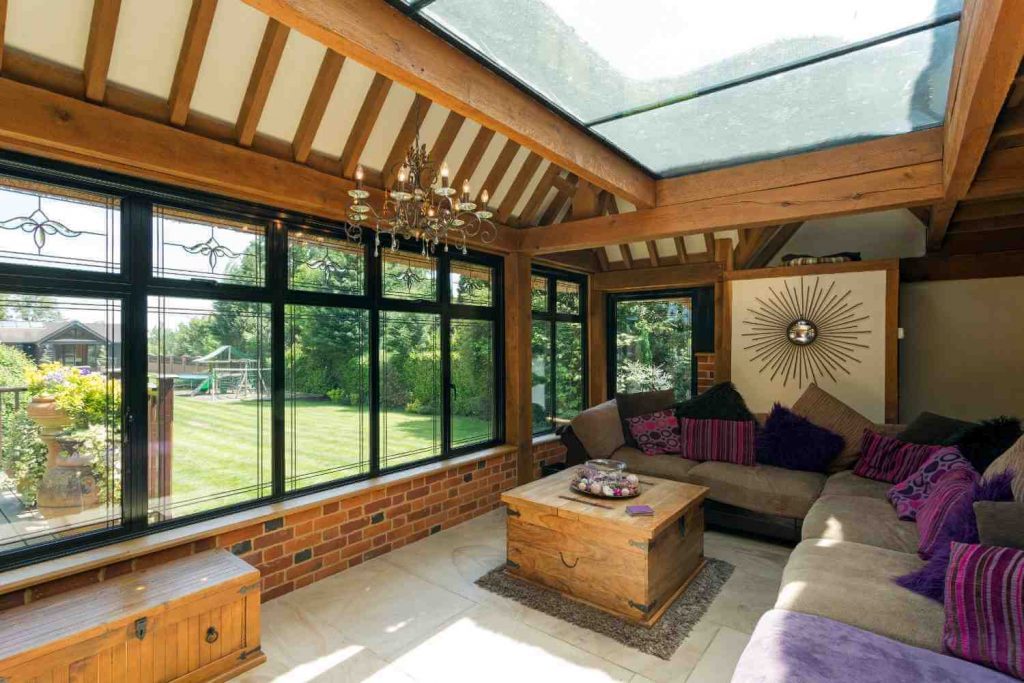
A conservatory is a glass-forward structure known for its bright, airy aesthetic and elegant architecture. Combining solarium light-maximizing features with sunroom comfort, conservatories originated as greenhouses for plants. They use transparent materials like glass to maximize light and support plant growth. Modern conservatories serve as elegant living spaces with traditional styling and can perform well year-round with upgraded materials, though they require more maintenance and attention to glass selection.
Key Characteristics
- Glass walls and roof
- Designed for more light than sunrooms
- Traditional Victorian-inspired design with ornate details
- Decorative elements like finials, cresting, detailed framing
- Often includes climate control for year-round use
- uPVC, aluminum, or wood framing
Conservatory Pros
- Elegant, timeless aesthetic enhancing project style and value
- Abundant natural light from glass walls and roof
- Energy-efficient glazing in modern versions
- Versatile for entertaining, dining, relaxing, or working
- Seamless connection between indoors and garden
Conservatory Cons
- Higher cost due to ornate design
- Temperature fluctuation with all-glass roof without proper glazing
- Requires more maintenance than sunrooms
- Traditional style may not suit all projects
Solarium vs Sunroom vs Conservatory: Detailed Comparison
Light Exposure
Winner: Solarium
Solariums provide maximum natural light with all-glass construction. Conservatories offer more light than sunrooms but less than solariums. Sunrooms have the least overhead light due to solid roofing.
Temperature Control
Winner: Sunroom
Four-season sunrooms offer best temperature regulation with insulated roofs and walls working with HVAC. Conservatories perform well but can have more fluctuations. Solariums struggle without climate control.
Maintenance Requirements
Winner: Sunroom
Sunrooms require minimal maintenance with fewer glass surfaces and traditional roofing. Solariums demand the most upkeep, including roof glass cleaning.
Cost Comparison
Most Affordable: Sunroom ($20,000–$72,000)
Sunrooms are budget-friendly. Solariums cost more due to glass and structure. Conservatories vary, often more expensive because of design complexity.
Aesthetic Appeal
- Solarium: sleek, modern minimalism
- Sunroom: versatile designs blending with project styles
- Conservatory: traditional elegance and architectural statement
Best Uses
- Solarium: indoor gardens, plant collections, meditation, bright reading nooks
- Sunroom: family rooms, offices, gyms, playrooms, year-round living
- Conservatory: formal entertaining, elegant dining, sophisticated lounging, year-round gardening
Energy Efficiency Considerations
Energy efficiency is crucial for glass-enclosed spaces. Sunrooms are often most efficient due to solid roofs and insulated walls. Four-season sunrooms feature proper insulation and climate control, maintaining comfort even in colder months. Double pane insulated glass reduces heat loss.
Solariums maximize sunlight for people and plants but can cause heat gain in summer and loss in winter. Insulated glass and advanced glazing improve efficiency.
Conservatories balance light and insulation, with large windows and glass roofs. Proper insulation and double pane glass help regulate temperature. Climate control systems enable year-round use.
Regulations and Permissions
Adding a sunroom, solarium, or conservatory requires understanding local building codes and permissions. These structures must comply with safety, energy efficiency, and structural standards.
Many sunrooms and conservatories with solid roofs or insulated glass fall under permitted development, needing no formal planning permission. Glass-roofed conservatories or solariums may require approvals to meet energy and safety codes.
Structural integrity is vital, especially for large glass panels and roofs. Engineering ensures durability against weather like strong winds and snow.
Work with qualified contractors to ensure code compliance and safety.
Which Option Is Right for You?
Choose a Solarium If You:
- Want maximum natural light
- Love indoor gardening or plants
- Prefer modern, minimalist design
- Don’t need year-round climate control
- Have budget for higher-end glass construction
Choose a Sunroom If You:
- Need functional year-round living space
- Want minimal maintenance
- Prefer better energy efficiency
- Have a moderate budget
- Value versatility over maximum light
Choose a Conservatory If You:
- Love traditional, elegant architecture
- Want abundant light with year-round usability
- Plan to entertain
- Have a larger budget
- Own a traditional or Victorian-style project

Making Your Decision
There’s no single best option—only the best for your needs. Consider usage, climate, maintenance, and budget.
Work with glazing professionals to design and install your structure, selecting glass, framing, and features for comfort and longevity.
Ready to add a beautiful glass room? Contact a specialist to explore options and find the perfect solution for your project.
Crystal Structures Glazing designs and installs premium solariums, sunrooms, and conservatories. Contact us for a consultation and discover the ideal option for your project.