Natural daylight changes how people feel inside a building. It improves focus in classrooms, speeds recovery in hospitals, lifts morale in warehouses, and draws shoppers deeper into retail spaces. But punching traditional windows into a roof or wall creates thermal weak points, structural complications, and maintenance demands that many building owners are not willing to accept.
That is exactly the problem translucent wall and roof systems were designed to solve. These glazed systems flood interior spaces with diffused, glare-free light without the energy penalties or structural compromises of conventional glazing. Crystal Structures has been engineering, manufacturing, and installing commercial daylighting systems for more than 40 years — completing over 26,000 projects across the United States — and translucent polycarbonate panels remain one of the most requested solutions in their product line.
What Are Translucent Wall and Roof Systems?
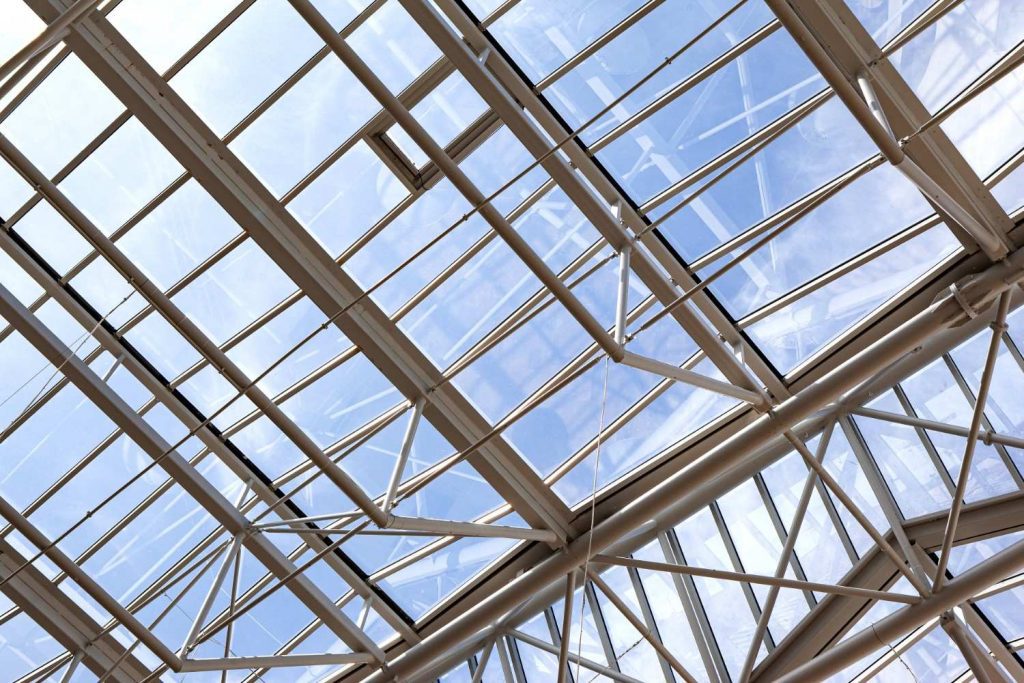
Translucent roof systems and translucent wall systems use multi-wall polycarbonate panels or structural polycarbonate sandwich panels in place of traditional opaque cladding. Unlike clear glass, these panels scatter incoming sunlight evenly across the interior, eliminating hot spots and harsh shadows while still delivering significant natural illumination.
Crystal Structures offers multiple daylighting roof systems and glazed wall systems for commercial applications, including their proprietary SkyQuest non-structural skylight system — a base, pressure cap, and cover assembly that attaches to aluminum, steel, or wood structural members — and a 2¾-inch-thick structural translucent polycarbonate sandwich panel system engineered specifically for energy-efficient translucent skylights and clear-view wall applications.
Translucent Roof vs. Skylight — Which Is Right for Your Building?
Building owners and architects frequently ask whether they need a translucent roof system or a traditional skylight. The answer depends on scale, budget, and how the space is used.
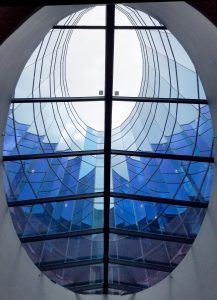
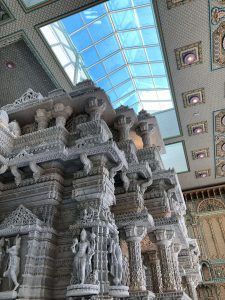
A metal framed skylight — such as Crystal Structures’ thermally enhanced unit skylight — is a defined opening in an otherwise opaque roof. It works well for targeted daylighting in lobbies, atriums, and corridors. Skylights are available in ridgelite, single slope, barrel vault, pyramid, and low-profile configurations.
A translucent roof system, by contrast, replaces entire roof sections with polycarbonate panels, creating broad, uniform light across large floor areas. This approach is the preferred daylighting strategy for warehouses, manufacturing plants, distribution centers, gymnasiums, and other high-volume spaces where consistent light coverage matters more than a focused design feature.
In many projects, Crystal Structures combines both — using skylights for architectural impact in public-facing zones and translucent roof panels for functional daylighting in operational areas.
Polycarbonate vs. Fiberglass Roofing for Commercial Daylighting
Fiberglass reinforced panels were once the default translucent roofing material. Today, polycarbonate has overtaken fiberglass in nearly every commercial performance metric. Polycarbonate roof panels deliver superior impact resistance — up to 250 times stronger than glass — along with better UV stability, higher light transmission over time, and improved thermal insulation when configured as multi-wall panels.
Fiberglass panels tend to yellow, become brittle, and lose light transmission within 10 to 15 years. Polycarbonate maintains clarity and structural integrity far longer, making it the material of choice for translucent polycarbonate panels in new construction and retrofit projects alike.
Translucent Wall Systems for Warehouses and Industrial Facilities
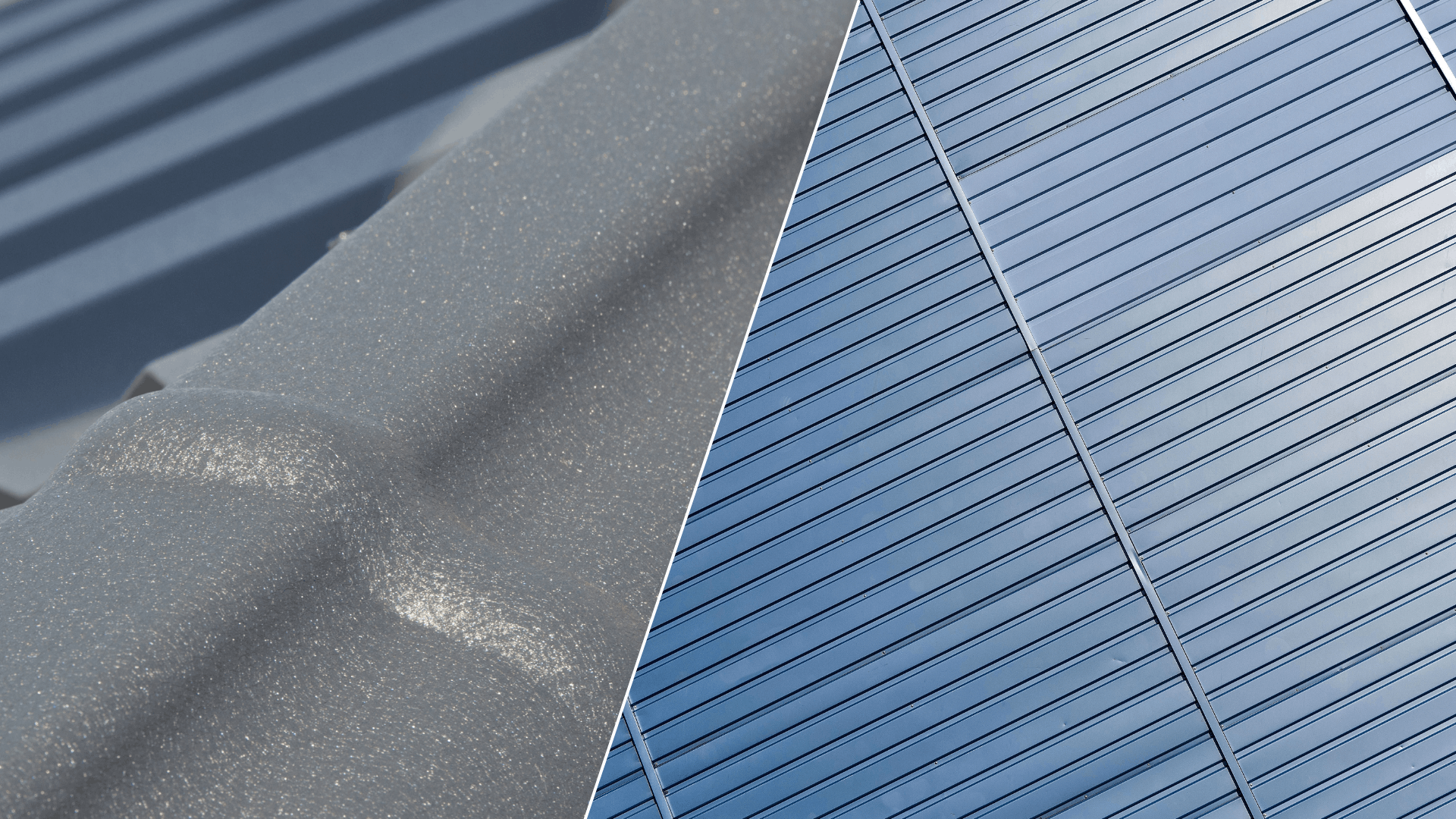
Translucent wall systems for warehouses solve a persistent problem: interior spaces that depend entirely on artificial lighting during daylight hours. By replacing sections of metal wall cladding with polycarbonate wall panels, building owners introduce usable natural light without adding windows that compromise security or insulation.
Crystal Structures offers three translucent wall system configurations, all built from high-impact multi-wall polycarbonate, so architects can match performance requirements, budget constraints, and aesthetic goals without compromise.
LEED Daylighting Credits and Energy Savings
Commercial daylighting strategies directly support LEED certification. The LEED v4 Daylight credit rewards projects that bring controlled natural light to regularly occupied spaces, and translucent wall and roof systems are one of the most reliable paths to earning those points. Beyond certification, reduced dependence on electric lighting translates to measurable energy savings — often 20 to 40 percent of lighting-related electricity costs — making daylighting systems a financial decision as much as a design one.
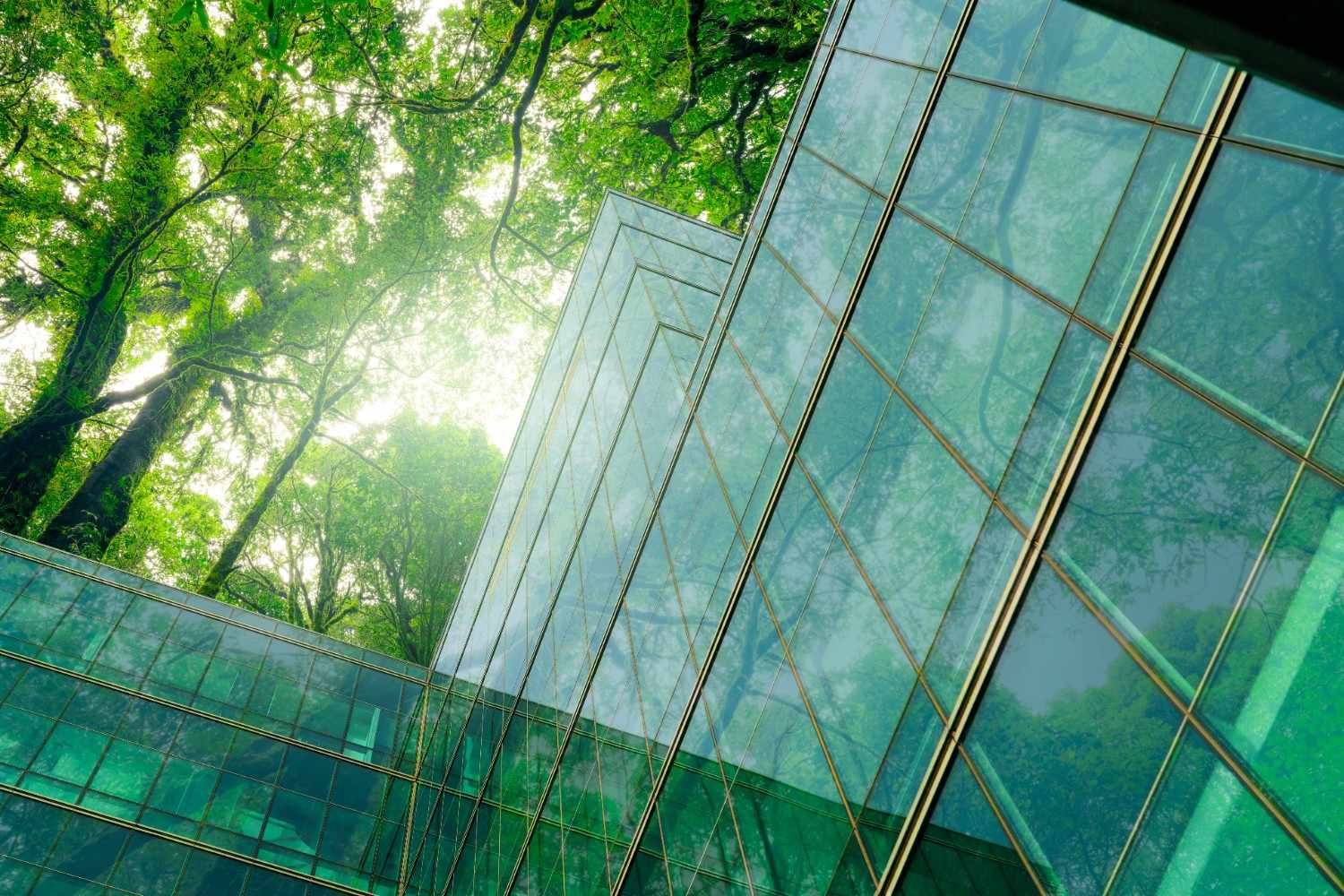
Why Choose a Single-Source Commercial Glazing Contractor
Crystal Structures is a single-source glazed structures provider — handling design, engineering, manufacturing, and installation under one roof. That design-build glazing model ensures the translucent panels, framing, flashing, and drainage details are all engineered as a system rather than assembled from parts sourced from multiple vendors.
As a nationwide skylight and canopy installer with more than four decades of specialization in commercial glazing, Crystal Structures brings the technical depth to engineer complex daylighting solutions and the field experience to install them correctly the first time — whether the project is a single translucent wall retrofit or a full glazed structure covering tens of thousands of square feet.
Considering a daylighting upgrade? Contact Crystal Structures to schedule a no-cost design collaboration with our engineering team.