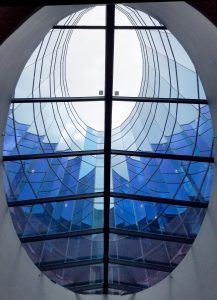
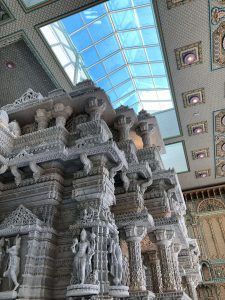
Architects and building owners face a critical choice when designing for natural light overhead: translucent roof systems or traditional glass glazing. Both bring daylight into a building. Both reduce dependence on electric lighting. But they do it differently — and the right choice depends on what your project actually needs.
Crystal Structures has engineered and installed both translucent polycarbonate roof systems and traditional glass skylights across more than 25,000 commercial projects nationwide. That experience has made one thing clear: the best system is never a default — it is a decision shaped by light quality, thermal performance, budget, and how the space will be used.
Whether you are weighing a translucent roof vs skylight for a new facility or evaluating options for a retrofit, here is how the two compare across the factors that matter most.
Light Quality — Diffused vs. Direct
This is the most fundamental difference between the two systems.
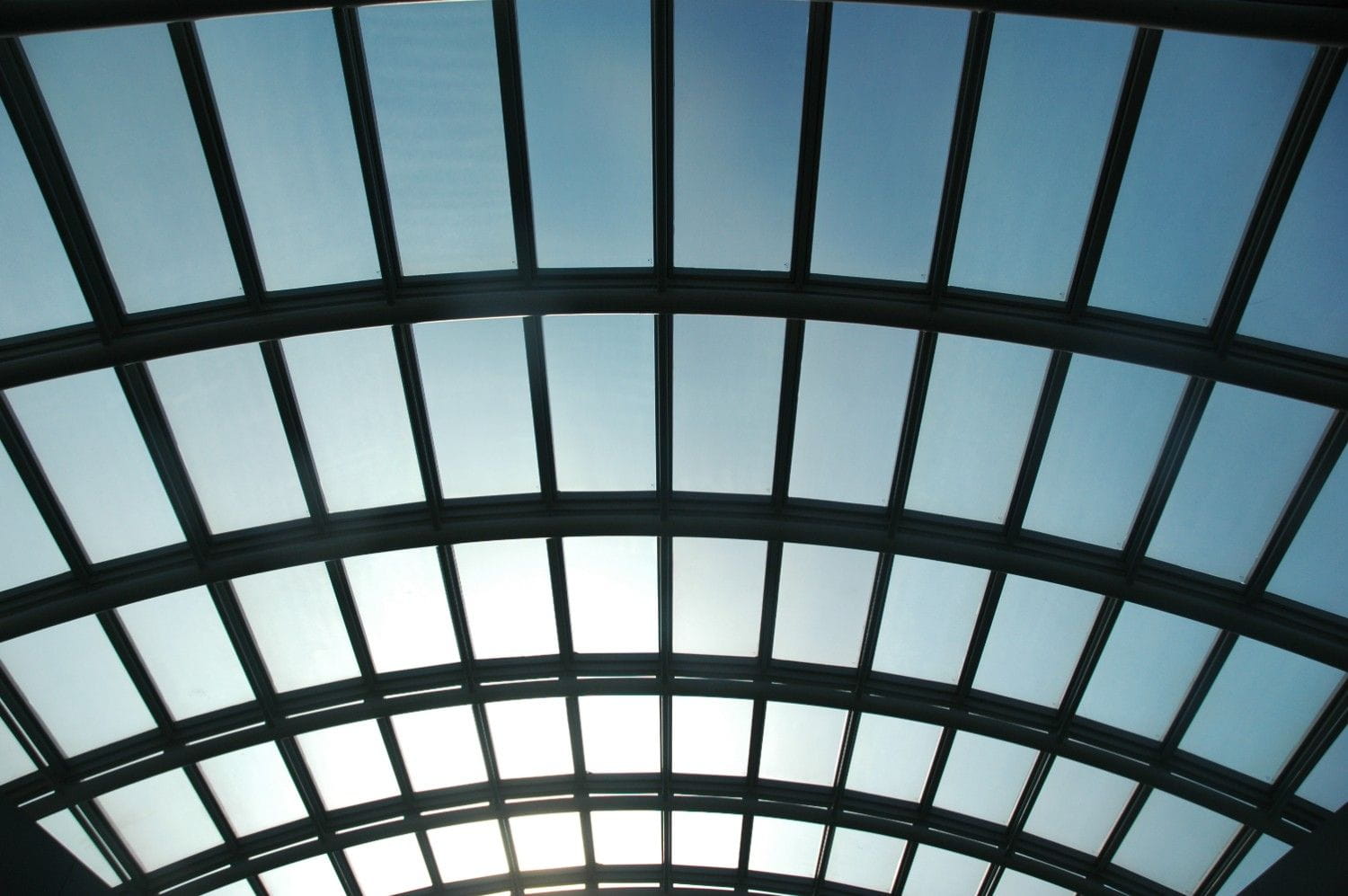
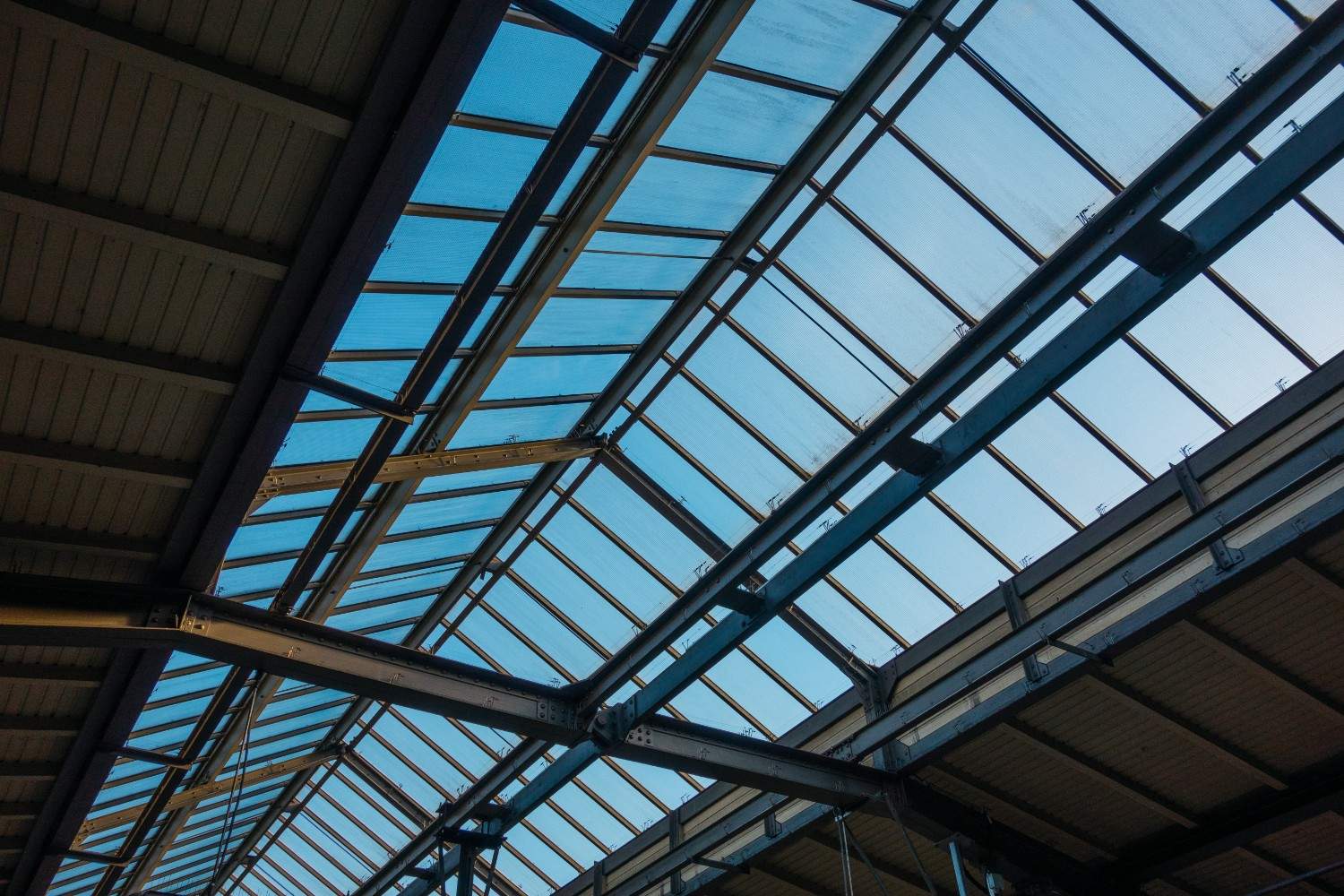
Translucent roof panels — built from multi-wall polycarbonate — scatter incoming sunlight as it passes through the panel’s internal cell structure. The result is soft, even illumination across the entire floor area with no glare, no hot spots, and no harsh shadows. This diffused daylighting is ideal for warehouses, manufacturing floors, gymnasiums, and any large-volume space where consistent light coverage matters more than a view of the sky.
Traditional glass glazing delivers direct, unfiltered light with full optical clarity. Occupants can see the sky, clouds, and surrounding architecture. This makes glass the preferred choice for atriums, lobbies, retail spaces, and any application where the visual connection to the outdoors is part of the design intent.
Bottom line: If you need broad, uniform light across a large area, translucent wins. If you need clarity, views, and architectural drama, glass wins.
Thermal Performance and Insulation
Translucent polycarbonate panels — particularly multi-wall and structural sandwich configurations — trap air between internal layers, creating built-in thermal insulation. Crystal Structures’ 2¾-inch structural polycarbonate sandwich panel system is specifically engineered for energy-efficient commercial daylighting, delivering thermal performance that exceeds single-pane glass and rivals some insulated glass units.
Traditional glass skylights rely on insulated glass units (IGUs) — typically double or triple glazing with low-E coatings and gas fills — to manage heat transfer. High-performance IGUs can achieve excellent U-values, but they come at a higher material cost and greater weight, which increases structural requirements.
Bottom line: For projects where thermal efficiency is a priority and visual clarity is not required, translucent polycarbonate delivers strong insulation at a lower cost per square foot. For projects requiring both thermal performance and clear views, insulated glass is the path — with a higher budget to match.
Weight and Structural Impact
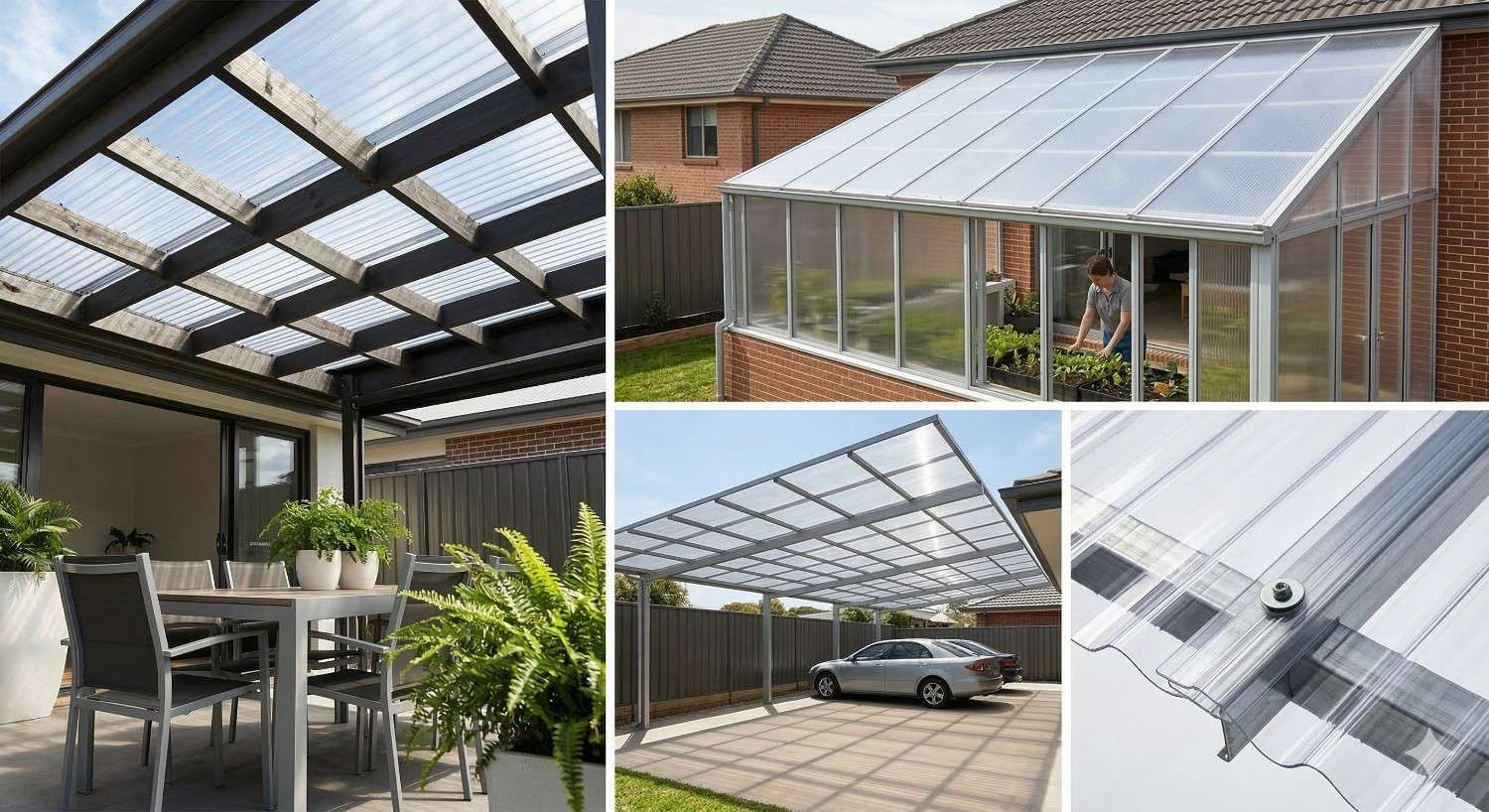
Polycarbonate panels weigh significantly less than glass — often 50 to 80 percent less for equivalent coverage area. This lower weight reduces the structural steel or framing required to support the roof system, which can meaningfully reduce overall project cost. For retrofit projects or buildings with limited structural capacity, translucent polycarbonate roof panels are often the only viable daylighting option without costly structural reinforcement.
Glass skylights are heavier and require more robust framing and support structure. Crystal Structures uses maintenance-free aluminum extrusions across all its glass skylight systems — the same corrosion-proof framing used in their commercial canopy and walkway canopy installation projects — but the supporting structure beneath must be designed to carry the additional load.
Privacy and Light Control
Translucent panels provide inherent visual privacy — light passes through, but people and objects on the other side are not visible. This makes translucent wall and roof systems a strong fit for applications like locker rooms, restrooms, medical facilities, or any space where daylight is wanted but direct sightlines are not.
Glass glazing is transparent by default. Privacy can be achieved through fritting, tinting, or electrochromic coatings, but these add cost and reduce light transmission. Where full transparency is the goal — atriums, display areas, observation corridors — glass is unmatched.
Commercial Skylight Cost Comparison
Translucent polycarbonate roof systems generally cost less per square foot than traditional glass skylight systems — both in material and installation. The lighter weight reduces structural costs, the panels can span longer distances with fewer joints, and field installation is faster. Crystal Structures’ 20mm standing seam polycarbonate system supports panels up to 43 feet long, minimizing seams and accelerating installation timelines.
When evaluating polycarbonate vs glass roofing, glass skylight systems carry higher material, fabrication, and installation costs — but they deliver a finished product with a level of optical clarity and architectural presence that polycarbonate cannot replicate. For high-visibility commercial spaces, that premium is often justified.
When to Use Each System
Choose translucent polycarbonate when:
- The project requires broad, uniform daylighting across large floor areas
- Thermal efficiency and low weight are priorities
- Visual privacy is needed
- Budget efficiency matters — warehouses, industrial facilities, schools, recreation centers
Choose traditional glass glazing when:
- Clear views of the sky and surroundings are part of the design intent
- The space is public-facing — lobbies, atriums, retail, hospitality
- Architectural impact and aesthetic quality drive the specification
- The structural system and budget can support the additional weight and cost
Combine both when:
- The project has distinct zones with different daylighting needs — a glass atrium in the lobby with translucent roof panels over the operational floor, for example. Crystal Structures regularly engineers hybrid solutions that use both systems within a single building envelope.
One Company, Both Systems
Most glazing contractors specialize in one system or the other. Crystal Structures designs, manufactures, and installs both — translucent polycarbonate and traditional glass — under one roof. That single-source, design-build glazing approach means your architect and construction team work with one partner who can recommend the right system for each zone of the building without bias toward a single product line.
With more than 40 years of experience and 25,000+ completed projects, Crystal Structures brings the technical depth to engineer either system — and the field experience to install it correctly the first time.
Not sure which system fits your project? Contact Crystal Structures for a no-cost design consultation with our engineering team.