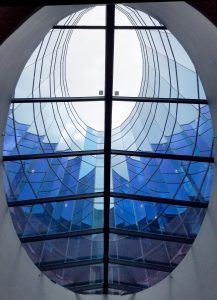
Imagine a room flooded with natural sunlight, offering panoramic views of your surroundings while protecting you from the elements. The term ‘solarium’ derives from the Latin word for ‘place of sunlight’. This is the essence of a solarium—a stunning architectural feature that bridges indoor comfort and outdoor beauty, providing an immersive outdoor experience and a strong connection to nature.
In this guide, we’ll explore everything about solarium rooms: how they differ from sunrooms and conservatories, their benefits, and what to consider before installation. Solariums are often called conservatories due to their glass-enclosed design.
What Is a Solarium?
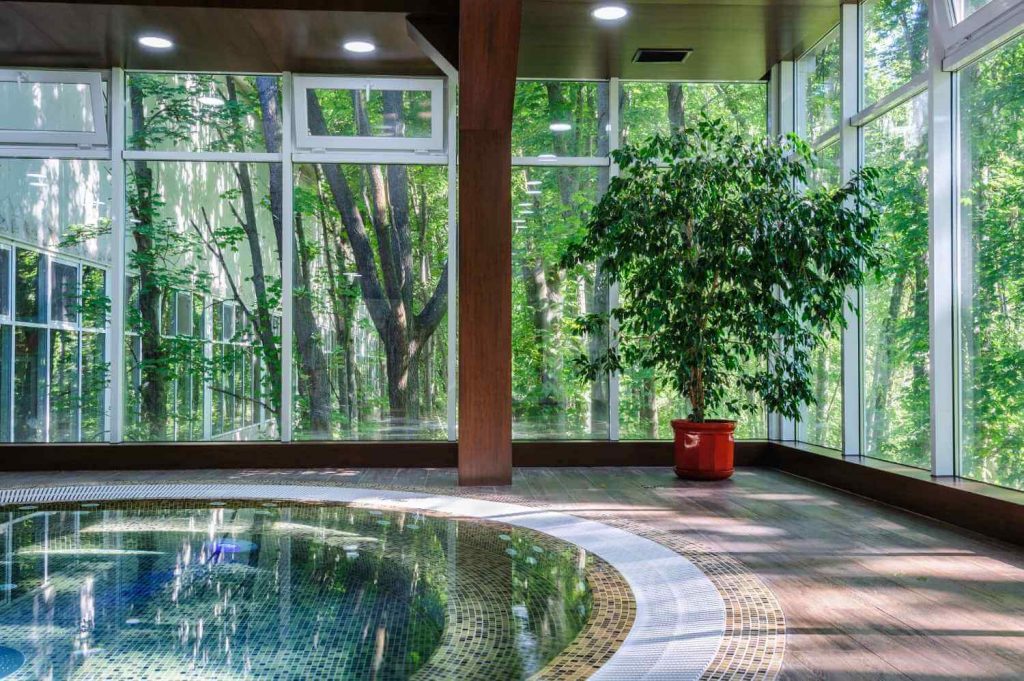
A solarium is a glass-enclosed room with walls and ceilings made entirely of glass, usually thicker than greenhouse walls. This design allows maximum sunlight exposure and creates an open, airy ambiance with unobstructed views. The all-glass structure traps heat, requiring durable furnishings and integration with the home’s HVAC system to maintain comfort.
Unlike traditional sunrooms with solid roofs and partial walls, solariums are almost entirely glass with minimal framing. They are designed for year-round use, offering comfort and a continuous connection to the outdoors regardless of weather.
The term “solarium” comes from Latin “sol,” meaning sun. The hallmark of a solarium is maximizing natural light, offering panoramic views of the sky and surrounding landscape—ideal for stargazing. Solariums provide unmatched versatility as a reading nook, indoor garden, or entertaining space.
They can be freestanding or attached to homes and are popular in residences, restaurants, hospitals, and hotels where natural light enhances experience. Historically, solariums were used in hospitals for heliotherapy to aid recovery from illnesses like tuberculosis.
Solarium vs. Sunroom vs. Conservatory: Understanding the Differences
Though often used interchangeably, these structures differ in materials, purpose, and climate control—solariums maximize glass for panoramic views, sunrooms balance comfort with solid walls and large windows, and greenhouses focus on plant growth with regulated climate controls.
Sunroom: Features solid walls with large windows and a standard roof, providing abundant natural light without full exposure. Sunrooms are versatile for entertaining or family spaces. They can be three-season (spring, summer, fall) or four-season rooms, fully insulated and connected to HVAC for year-round use. Sunrooms offer a cost-effective path to outdoor living with panoramic views.
Solarium: Glass-enclosed with glass walls and roof to maximize sunlight. They can experience extreme temperatures unless high-quality, double-pane insulated glass is used. Designed for year-round usability and comfort, solariums serve as climate-controlled environments for relaxation or enjoying the outdoors indoors.
Conservatory: Similar to solariums but often features ornate architectural details and prioritizes elegance over maximizing sunlight. Conservatories typically include climate control systems.
Greenhouse: Primarily for plant growth, using transparent materials to trap warmth and regulate temperature, humidity, and other factors. Greenhouses are not designed for year-round human comfort.
Each offers distinct year-round usability.
Solarium
- Walls and ceilings almost entirely glass for maximum sunlight
- Glass ceilings create an open, airy atmosphere
- High-quality double-pane insulated glass improves energy efficiency and comfort
- Minimal framing, usually vinyl or aluminum
- Modern, clean aesthetic
- Usually climate-controlled
Sunroom
- Solid insulated roof
- Large windows with solid walls
- Better temperature regulation
- Can be three-season or four-season with HVAC integration
- More affordable to build and maintain
Conservatory
- Glass walls and roof like solariums
- Victorian-style design with ornate details
- Decorative finials or spires
- Elegant living space with climate control
The key distinction: solariums have all-glass construction prioritizing light.
Types of Solarium Designs
Straight-Eave Solarium
Modern lines with a single-slope glass roof complement contemporary homes. Affordable with impressive light exposure.
Curved-Eave Solarium
Elegant curved glass roof adds architectural interest and aids water runoff with a softer appearance.
Cathedral-Style Solarium
Peaked roof resembling a cathedral, offering height and grandeur. Works well with larger homes.
Lean-To Solarium
Attaches to an existing wall with a single-sloped roof. Space-efficient for smaller properties.
Benefits of Adding a Solarium
Abundant Natural Light
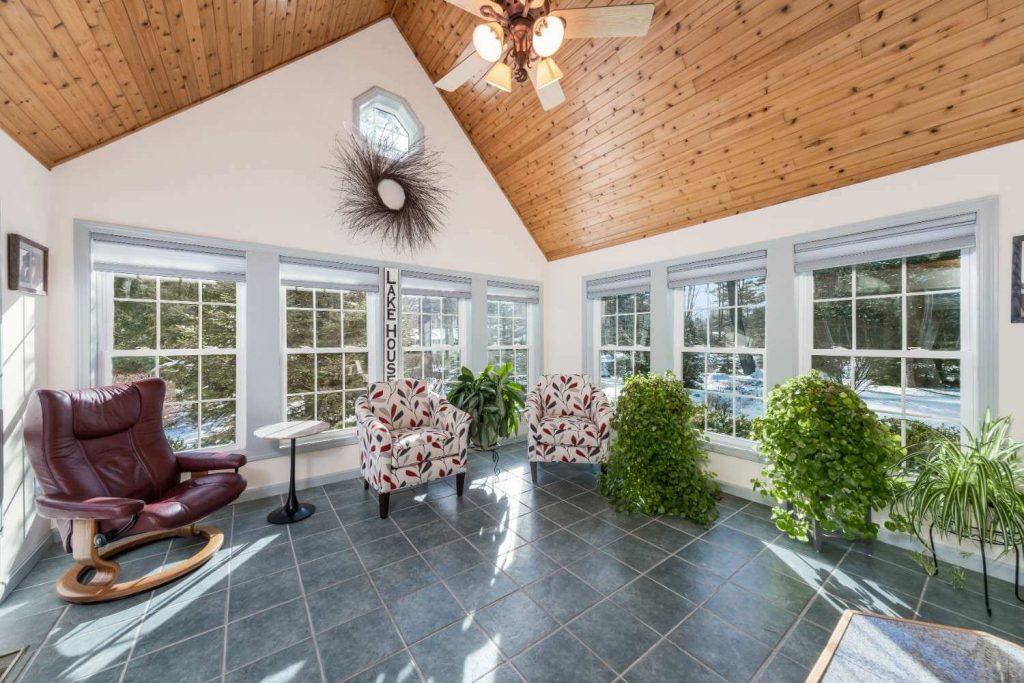
Solariums provide exceptional natural light from glass walls and ceilings, boosting mood, vitamin D, and regulating sleep.
Year-Round Outdoor Connection
Enjoy views of gardens and landscapes regardless of weather—rain, snow, or heat won’t limit your outdoor experience.
Extended Living Space
Adds valuable square footage without traditional addition costs. Perfect for relaxation, entertaining, dining, or morning coffee.
Ideal Environment for Plants
Abundant sunlight and protection make solariums perfect for indoor gardens, growing tropical plants, herbs, or flowers.
Passive Solar Heating
In colder months, solariums capture solar heat, warming adjacent rooms and potentially reducing heating costs. Proper ventilation prevents overheating in summer.
Increased Property Value
A well-designed solarium enhances aesthetics and adds functional space, increasing property value and appeal.
Important Design Considerations
Orientation and Placement
Sun exposure varies by direction:
- South-facing: Maximum sun and winter warmth; may need summer shading
- East-facing: Morning sun; cooler afternoons
- West-facing: Afternoon sun; can get warm
- North-facing: Consistent indirect light; cooler
Glass Selection
Choose glass for comfort and efficiency:
- Low-E glass: Reduces heat transfer, allows light
- Tinted glass: Minimizes glare and heat gain
- Laminated glass: Enhances safety and sound reduction
- Double or triple glazing: Insulates for temperature control
Ventilation
Prevent overheating with:
- Operable windows or roof vents
- Ceiling fans for airflow
- Retractable shades or blinds
- HVAC integration
Foundation and Structure
Requires solid foundation and structural support. Professional installation ensures building code compliance and safety.
Cost Considerations
Costs vary by size, design, glass quality, and features. Expect $30,000 to $75,000 for quality solariums. Influencing factors:
- Square footage
- Glass type
- Frame material (vinyl, aluminum, wood)
- Climate control additions
- Permits and installation
Patio enclosures offer a cost-effective alternative with various roof and glass options. Both solariums and sunrooms have custom options affecting costs and design flexibility. Solariums typically cost more but offer dramatic visual impact and maximum natural light.
Is a Solarium Right for You?
Consider a solarium if you:
- Want maximum natural light
- Love an all-glass living space
- Enjoy indoor gardening
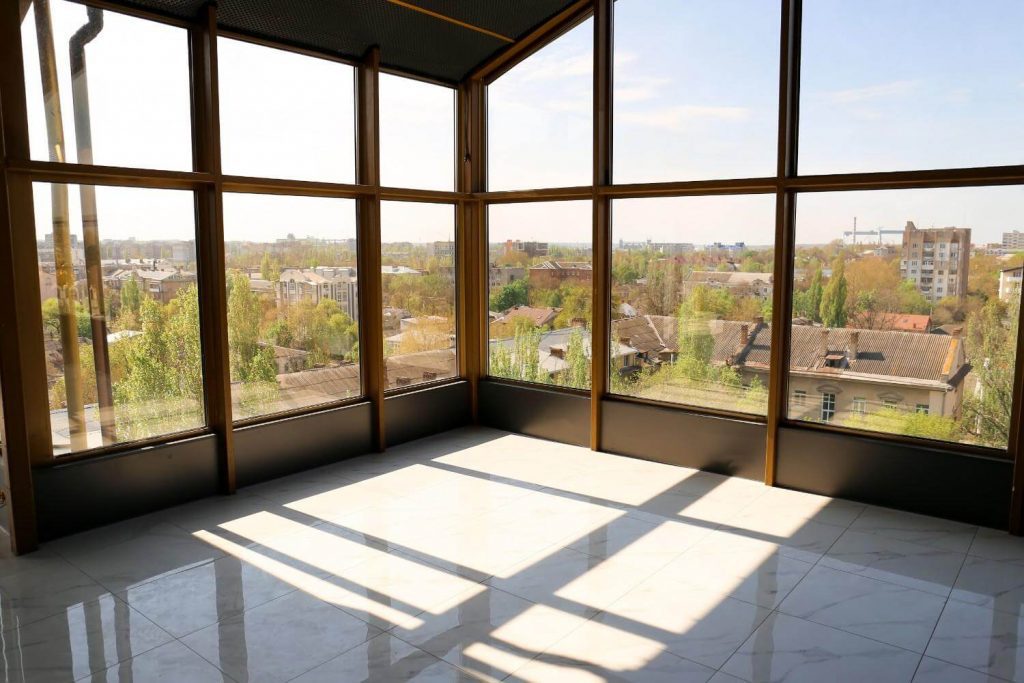
- Value panoramic outdoor views
- Have good sun exposure
- Crave sunlight year-round and a modern aesthetic
- Want versatile spaces like a home office, yoga studio, or entertainment hub
If you prioritize climate control, energy efficiency, or budget, a sunroom may be better.
Transform Your Home with Natural Light
Knowing what a solarium is helps you decide on this stunning home feature. Solariums are indoor enclosures designed for maximum sunlight and year-round comfort, distinct from patio enclosures and greenhouses. Patio enclosures enclose existing patios, offering flexible designs for plant growth or outdoor living. Solariums maximize natural light and enhance home value. In some regions, “solarium” refers to commercial tanning facilities with UV beds.
Work with glazing professionals for design, engineering, and installation. Expert guidance ensures lasting beauty and performance.
Ready to explore solarium options? Contact a glazing specialist to transform your home.
Crystal Structures Glazing specializes in premium glass enclosures, including custom solarium design and installation. Contact us to bring your vision to life.