
Posts by Mike Snyder
Bird-Safe Glass: Modern Design That Protects Birds — With a View
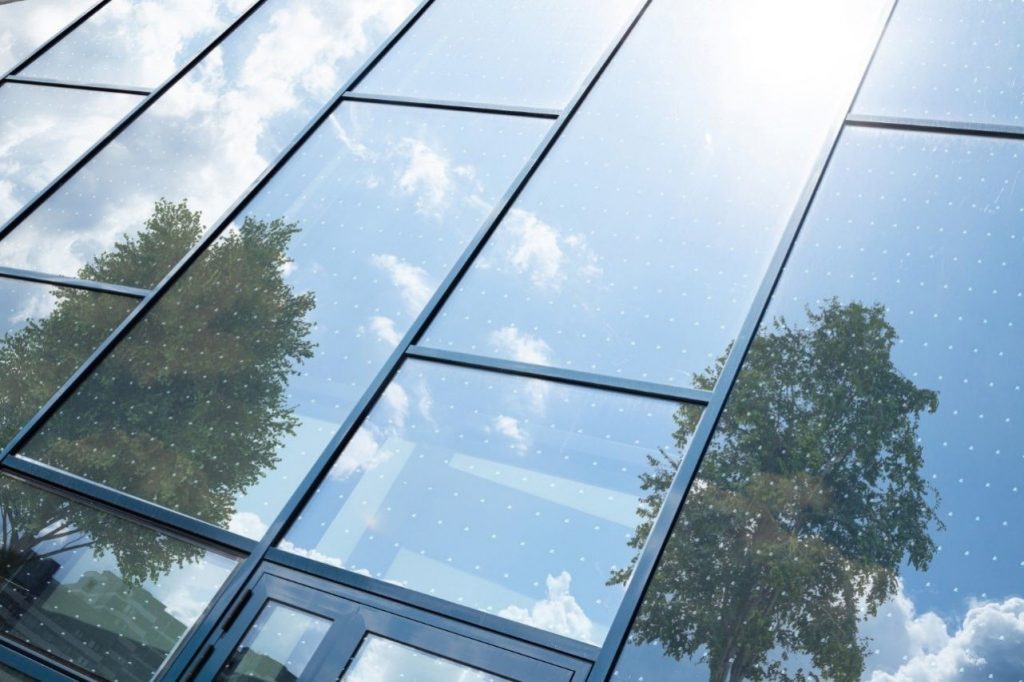
When Design Meets Responsibility Each year, millions of birds die after colliding with windows and glass façades they cannot see. As modern architecture embraces open, light-filled designs with expansive glazing, the risk of bird collisions has increased.Fortunately, innovative bird-safe glass now allows architects, builders, and homeowners to design responsibly—preserving daylight and transparency while protecting wildlife.…
Read MoreClearer Views, Smarter Design: The Next Generation of Unit Skylights

For decades, the unit skylight industry has looked much the same — acrylic domes sitting on curbs, offering daylight but often distorting views, aging quickly, and eventually leaking. That era is ending. Crystal Structures and VTech have partnered to introduce a new standard in daylighting: the CMC Series Unit Skylight — a factory-sealed, glass-glazed, curb-mounted…
Read MoreWhy Quality Matters: Choosing an Architectural-Grade Greenhouse Over a Budget Greenhouse Kit
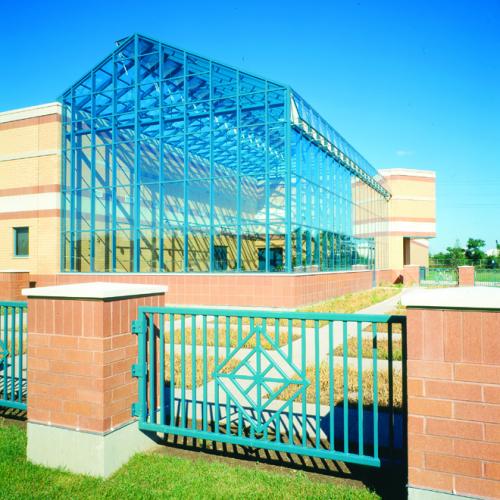
If you’re looking to build a greenhouse, especially for a school, university, or public space, you’ve probably come across a wide range of options. On one end, you’ll find affordable, thin-walled polycarbonate kits from overseas. On the other end, high-performance, architectural-grade greenhouses like the GrowTech series from Crystal Structures. At first glance, the price difference…
Read MoreSunroom or Solarium? Helping Clients Use the Right Term Before Design Begins
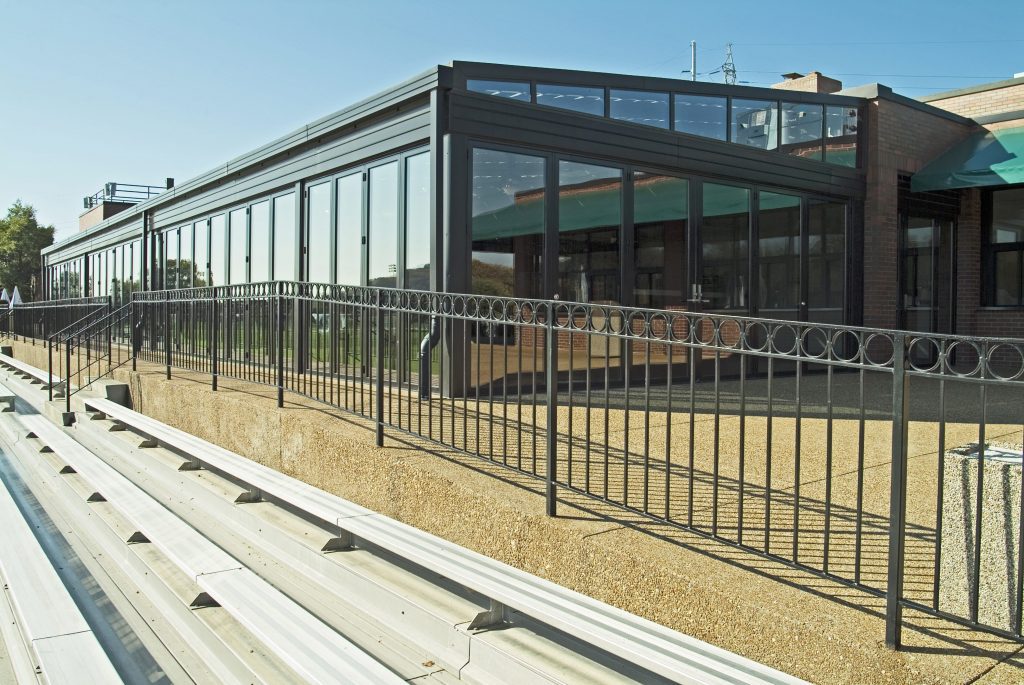
Hey architects — how often does a client come to you asking for a sunroom, when what they actually mean is a solarium or conservatory? It happens all the time. And while those terms get tossed around interchangeably in residential design, they carry very different meanings — especially in the commercial glazing world. Understanding the…
Read MorePolycarbonate vs. Fiberglass: Why Architects Have Moved On
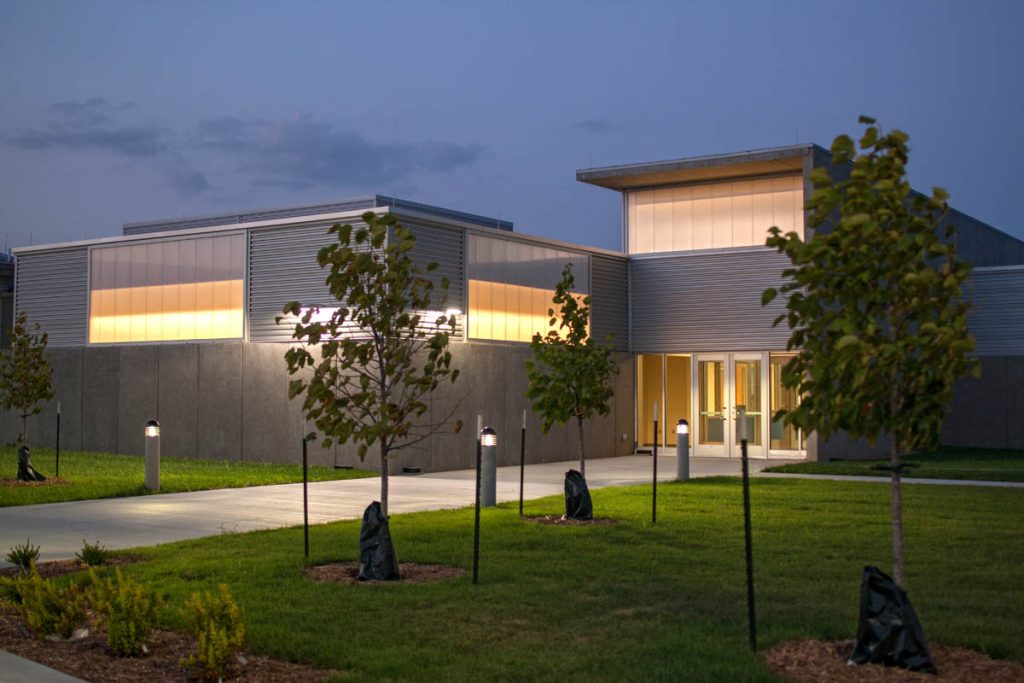
Once upon a time, fiberglass panels were the standard for translucent walls and skylights. They were practical, inexpensive, and filled a need. But if we’re honest, they’ve aged about as well as shag carpet and wood paneling. Architects today are looking for materials that perform better, last longer, and look sharper — and that’s where…
Read MoreCrystal Structures Inc. enhances its workflow and customer experience through thespelas.com and monday.com

Crystal Structures advances the company-wide upgrades to software systems to address its rapid growth and provide a state-of-the-art experience for customers Crystal Structures, a leading designer and manufacturer of glazed structures nationally, has announced the successful deployment of monday.com, a global software company that transforms how businesses run, through thespelas.com, a monday.com certified partner. The…
Read MoreMirropane and the Science Behind It
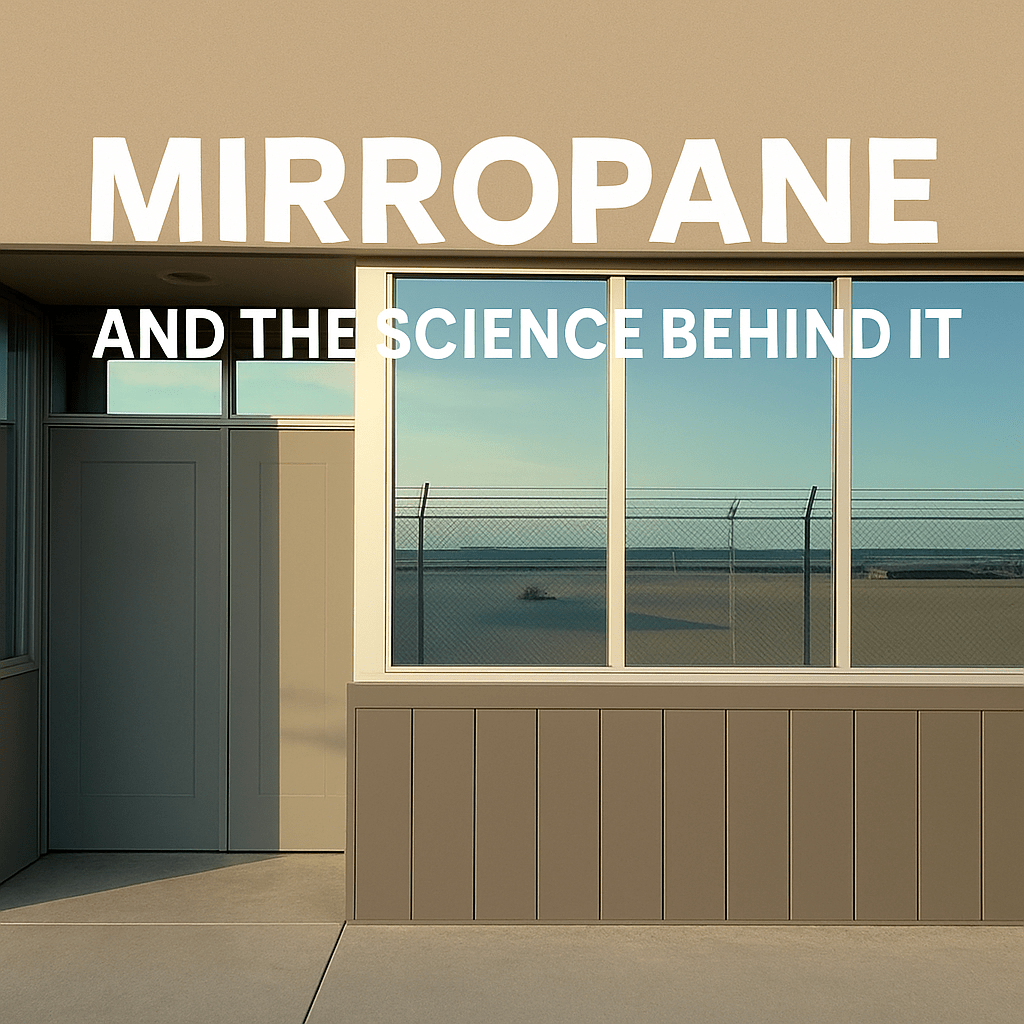
Imagine a glass that looks like a mirror on one side yet allows someone on the other side to see through unnoticed. That’s the concept behind Mirropane® glass, often called “one-way mirror glass.” It’s not magic, it’s physics, design coordination, and most importantly, lighting. How Mirropane Works Mirropane is made by coating one side of…
Read MorePart 5: Metrics Matter – Daylighting Models Architects Can Trust
Daylighting is no longer about instinct—it’s about proof.For architects and owners, questions come early and often: When a design moves forward, no one wants surprises. That’s why predictive modeling is transforming the way skylights and glazed roof systems are specified. The Metrics that Matter Today’s most widely used daylighting performance benchmarks include: These aren’t just…
Read MorePart 3: From Harsh Glare to Harmony – Designing for Visual Comfort in Daylit Spaces
Meta Keywords: skylight glare control, daylight modeling, diffuse daylighting systems, glare-free skylights, daylight comfort Glare kills good design.A space flooded with uncontrolled daylight can quickly turn from inspiring to irritating. Hot spots, blown-out light, sharp contrasts—these visual disruptions can cause occupant discomfort, eye strain, and even reduce productivity. For architects striving to create beautiful, functional…
Read MorePart Two: No More Drips – Engineering Skylights to Eliminate Condensation and Leaks
Water is the #1 reason architects fear skylights. Condensation. Leaks. Callbacks.These aren’t just minor annoyances—they risk reputational harm, costly repairs, and frustrated clients. But here’s the good news: these issues are entirely preventable with the right design and engineering. The Root Cause: Design Gaps Most skylight moisture problems don’t come from the sky—they come from…
Read More