Skylight leaks are the number one service call in commercial glazing — and the frustrating reality is that most of them are preventable. The glass or polycarbonate panel almost never fails. What fails is the water management system around it: the drainage channels, the flashing details, the condensation control, and the weep paths that were either undersized, poorly detailed, or ignored entirely during design. The truth is, no-leak skylights are not a product category — they are the result of engineering every water path correctly from the start.
Crystal Structures has installed more than 25,000 skylights nationwide and receives fewer than 2% leak-related service calls across that entire portfolio. That track record is not luck — it is the direct result of engineering drainage into the system from the first extrusion, not treating it as an afterthought during installation.
Why Commercial Skylights Leak — The Five Root Causes
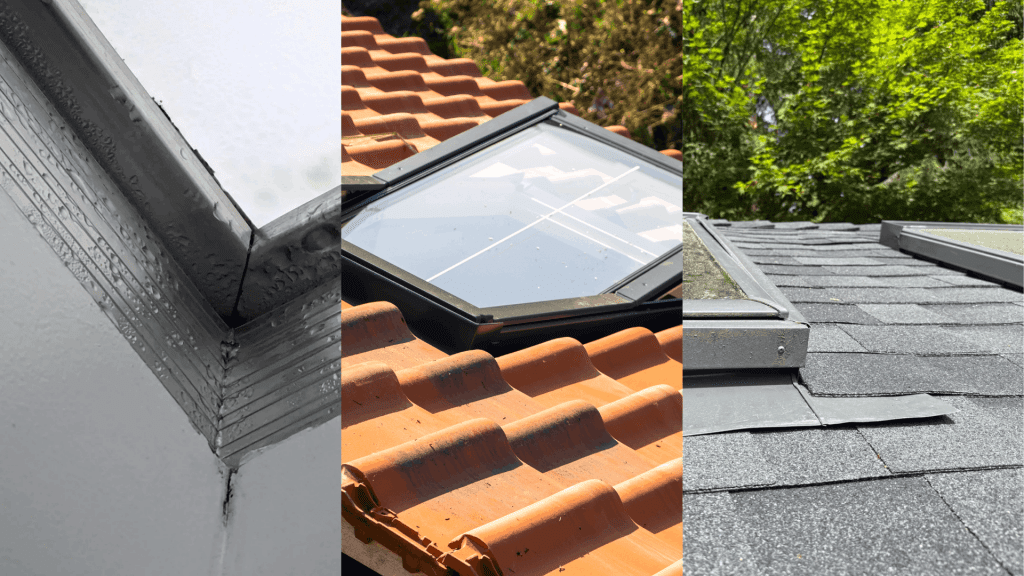
Before solving the problem, it helps to understand exactly where water gets in. In Crystal Structures’ experience, virtually every skylight leak traces back to one of five failure points:
- Sealant degradation — UV exposure and thermal cycling break down sealant joints over time, opening gaps that water exploits during wind-driven rain events.
- Improper flashing — If the transition between the skylight curb and the roof membrane is not detailed correctly during original installation, water will find a path — sometimes years later as materials settle.
- Condensation mismanagement — In humid climates, moisture condenses on the interior surface of poorly insulated skylights and drips into the space below, mimicking a roof leak when the actual problem is internal.
- Thermal movement — Aluminum framing and glazing panels expand and contract at different rates. Systems without adequate allowance for this movement will eventually open at joints.
- Clogged drainage channels — Leaves, debris, and sediment block the internal gutters and weep holes designed to carry moisture safely to the exterior.
Every one of these is a design and engineering problem — not a materials problem. The right system prevents all five.
The Patented TearDuct™ Weepage Control System
Crystal Structures’ answer to skylight water management is the patented TearDuct™ Weepage Control System — a drainage architecture built directly into the aluminum extrusions that form the skylight frame.
The system uses four separate weepage tracks extruded into the aluminum bars to channel both external water intrusion and internal condensation away from the occupied space below. Internal and external moisture diversion channels are machined into the framing itself — not added as aftermarket gaskets or sealant dams — so the drainage path is structural, permanent, and impossible to omit during assembly.
Condensation channels drain into a sloping sill that directs all captured moisture to the exterior of the skylight through strategically positioned weep holes. The result is a system with 4X the weeping capacity of conventional skylight frames — meaning it can handle far more water volume than a standard design before any moisture reaches the interior.
This is the difference between a skylight that works on a sunny day and one that performs during a sustained, wind-driven rainstorm in a coastal climate zone.
How Proper Drainage Design Prevents Mold and Structural Damage
Water that enters a skylight frame and has nowhere to go does not simply evaporate. It pools in framing cavities, saturates insulation, promotes mold and mildew growth, and over time corrodes even aluminum components. The TearDuct™ system actively prevents this by ensuring moisture never accumulates — it is captured, channeled, and expelled continuously.
For facility managers in hospitals, schools, and food service environments where indoor air quality is regulated, this is not a convenience feature. It is a compliance requirement.
Installation Best Practices That Eliminate Leak Risk
Even the best-engineered skylight system can leak if commercial skylight installation details are compromised. Crystal Structures’ installation protocols address the most common field failures:
- Flashing integration — Every skylight is flashed to the roof membrane as a unified waterproofing assembly, not as two separate systems that happen to meet at the curb line.
- Thermal break detailing — All edges are insulated with 1-inch foam panels behind exterior flashings to prevent condensation at thermal bridges.
- Weep hole positioning — Weep holes are placed at the spring line directly over the internal skylight gutter so condensation is captured at the point of formation and eliminated before it can travel.
- Tested performance standards — Every Crystal Structures skylight meets ASTM E-331 static water resistance at 950 Pa (20.0 psf) and AAMA 501.1 dynamic water resistance — verified through independent testing, not just engineering calculations.
Why Single-Source Engineering Matters for Leak Prevention
When the company that engineers the drainage system is also the company that manufactures the extrusions and installs the skylight, every detail is accounted for. There is no gap between what was designed and what gets built.
Crystal Structures handles design, manufacturing, and installation under one roof — ensuring that the TearDuct™ weepage tracks, flashing details, thermal breaks, and weep hole placements are executed exactly as engineered on every project, nationwide.

Maintenance That Keeps Drainage Systems Performing
Even a perfectly engineered system requires basic maintenance to perform over decades:
- Inspect weep holes semi-annually and clear any debris or sediment buildup.
- Clean drainage channels annually to preserve full skylight drainage capacity — more frequently near trees or in high-pollen environments.
- Check sealant joints every three to five years and replace proactively before failure.
- Verify flashing integrity during any roof maintenance or re-roofing project.
Crystal Structures offers ongoing maintenance programs for commercial skylight systems, ensuring drainage performance is preserved for the full life of the installation.
Planning a skylight project where leaks are not an option? Contact Crystal Structures for a no-cost design collaboration with our engineering team.