
Uncategorized
Natural Daylight, how it affects our overall health and why we should consider using daylighting strategies when improving our indoor spaces.
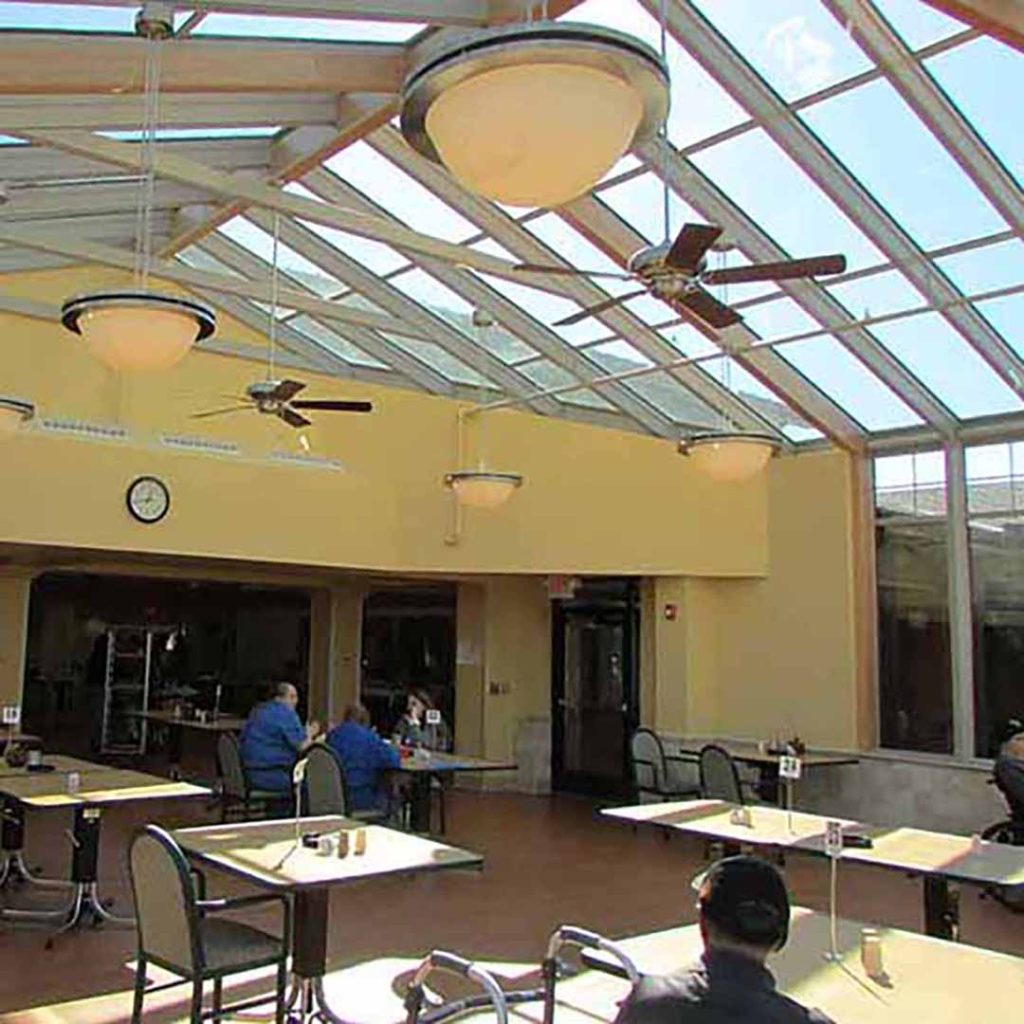
When thinking about the quality of natural daylight and its impact on human health, here are some key factors that need to be considered: Effectiveness of Indoor Daylighting Indoor daylighting is generally less effective than direct outdoor sunlight for regulating hormones due to lower light intensity and the filtering effects of windows. Indoor daylighting can significantly affect…
Read MoreBird-Safe Glass: Modern Design That Protects Birds — With a View
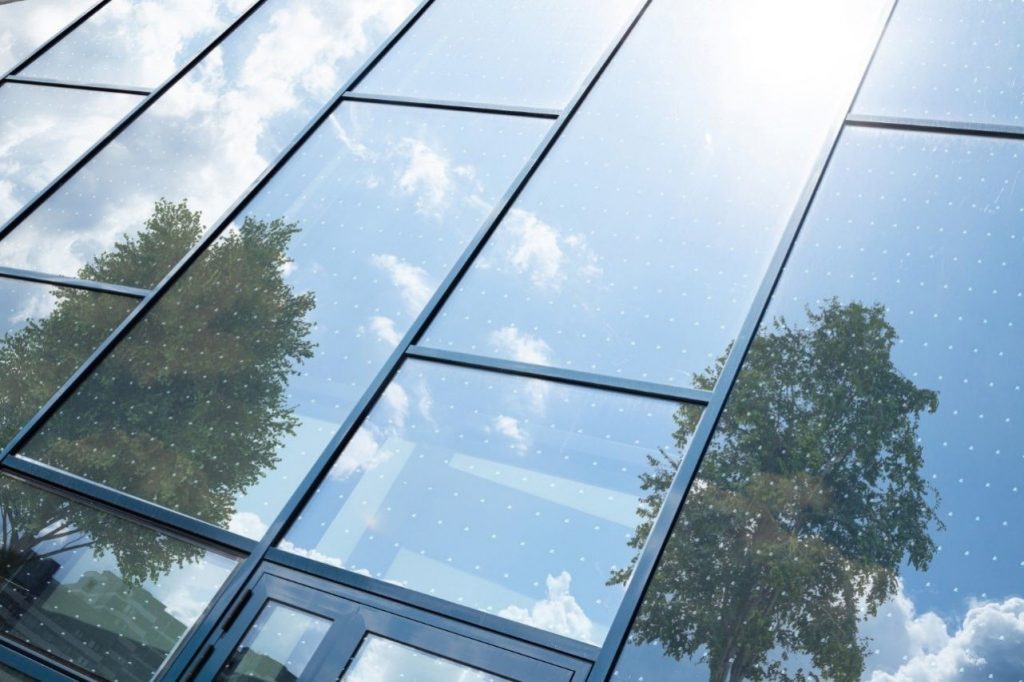
When Design Meets Responsibility Each year, millions of birds die after colliding with windows and glass façades they cannot see. As modern architecture embraces open, light-filled designs with expansive glazing, the risk of bird collisions has increased.Fortunately, innovative bird-safe glass now allows architects, builders, and homeowners to design responsibly—preserving daylight and transparency while protecting wildlife.…
Read MoreClearer Views, Smarter Design: The Next Generation of Unit Skylights

For decades, the unit skylight industry has looked much the same — acrylic domes sitting on curbs, offering daylight but often distorting views, aging quickly, and eventually leaking. That era is ending. Crystal Structures and VTech have partnered to introduce a new standard in daylighting: the CMC Series Unit Skylight — a factory-sealed, glass-glazed, curb-mounted…
Read MoreWhy Quality Matters: Choosing an Architectural-Grade Greenhouse Over a Budget Greenhouse Kit
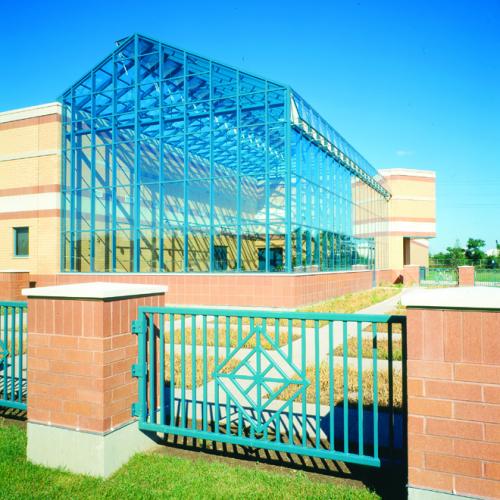
If you’re looking to build a greenhouse, especially for a school, university, or public space, you’ve probably come across a wide range of options. On one end, you’ll find affordable, thin-walled polycarbonate kits from overseas. On the other end, high-performance, architectural-grade greenhouses like the GrowTech series from Crystal Structures. At first glance, the price difference…
Read MoreSunroom or Solarium? Helping Clients Use the Right Term Before Design Begins
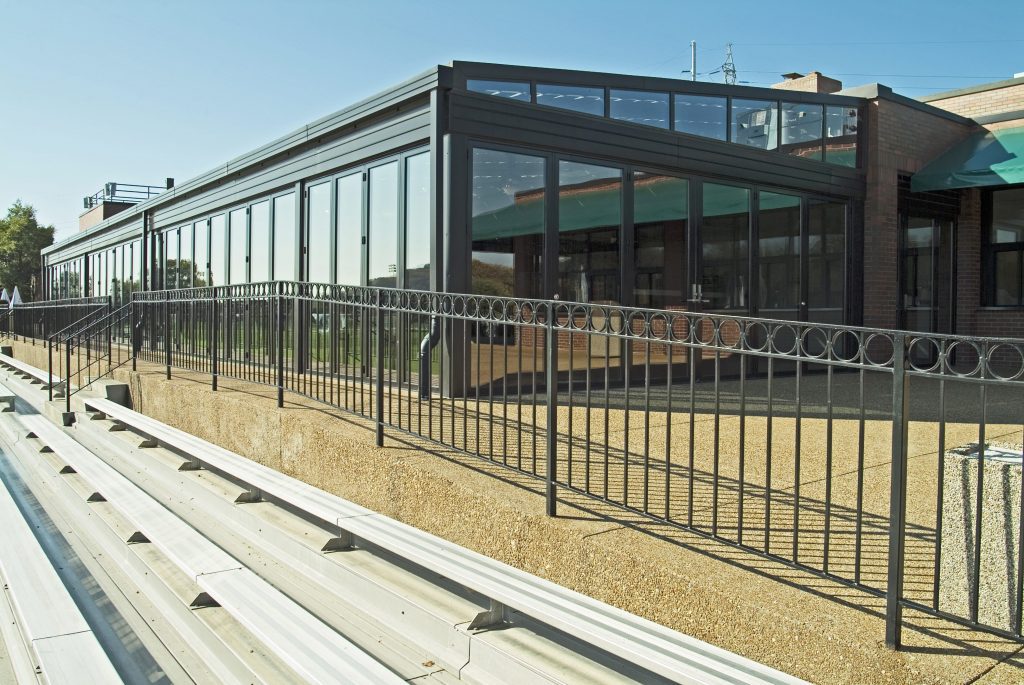
Hey architects — how often does a client come to you asking for a sunroom, when what they actually mean is a solarium or conservatory? It happens all the time. And while those terms get tossed around interchangeably in residential design, they carry very different meanings — especially in the commercial glazing world. Understanding the…
Read MorePart 5: Metrics Matter – Daylighting Models Architects Can Trust
Daylighting is no longer about instinct—it’s about proof.For architects and owners, questions come early and often: When a design moves forward, no one wants surprises. That’s why predictive modeling is transforming the way skylights and glazed roof systems are specified. The Metrics that Matter Today’s most widely used daylighting performance benchmarks include: These aren’t just…
Read MoreDaylighting & Design – Part 4: The Leak Fear Factor – How Better Specs & Flashing Stop the Blame Game
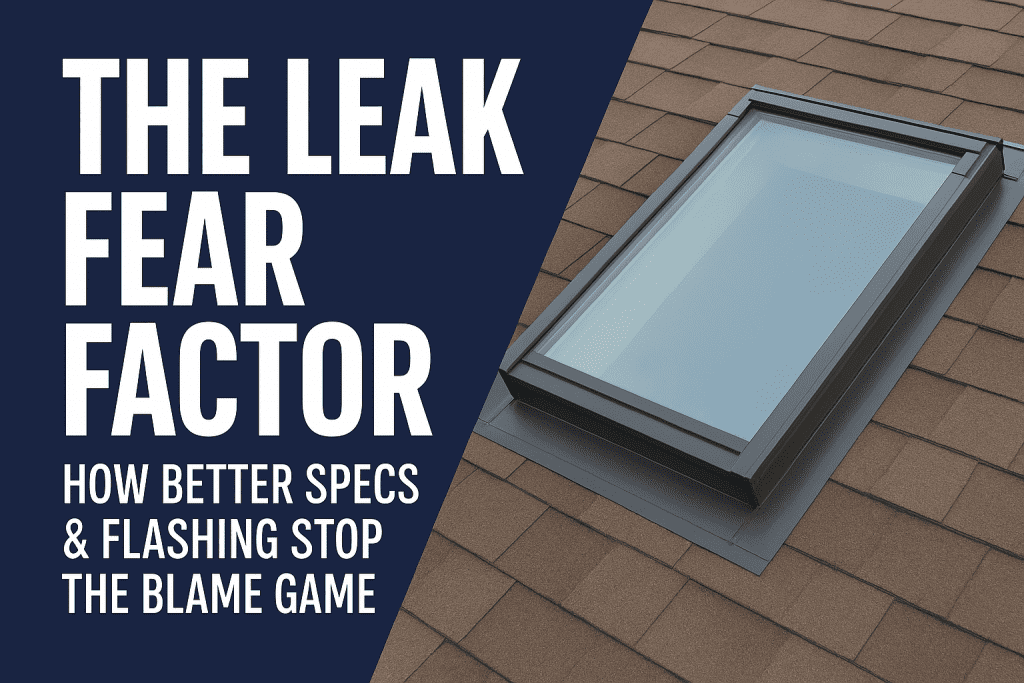
The Fear Factor: Why Leaks Drive Liability In the world of sloped glazing, few issues stir more anxiety than water intrusion. Architects, contractors, and building owners alike know the stigma: leaks cause lawsuits. But here’s the reality—most water infiltration isn’t caused by the skylight itself. It’s the details around it, especially flashing, curbs, and installation…
Read MorePart Two: No More Drips – Engineering Skylights to Eliminate Condensation and Leaks
Water is the #1 reason architects fear skylights. Condensation. Leaks. Callbacks.These aren’t just minor annoyances—they risk reputational harm, costly repairs, and frustrated clients. But here’s the good news: these issues are entirely preventable with the right design and engineering. The Root Cause: Design Gaps Most skylight moisture problems don’t come from the sky—they come from…
Read MoreDaylighting & Design: A 5-Part Series on the Skylight Issues Architects Are Talking About
Part 1: Rethinking R-Value — Solving the Thermal Performance Myth Around Skylights Natural light elevates a space like nothing else—brightening interiors, boosting wellness, and enhancing architectural intent. Yet, despite the well-documented benefits of daylighting, one objection continues to surface across design teams: “Skylights are thermal black holes.”“Won’t this kill our R-value?”“Aren’t they just glorified heat…
Read MoreWhy Polycarbonate Wins the Glazing Battle (And Why Fiberglass Is Falling Behind)
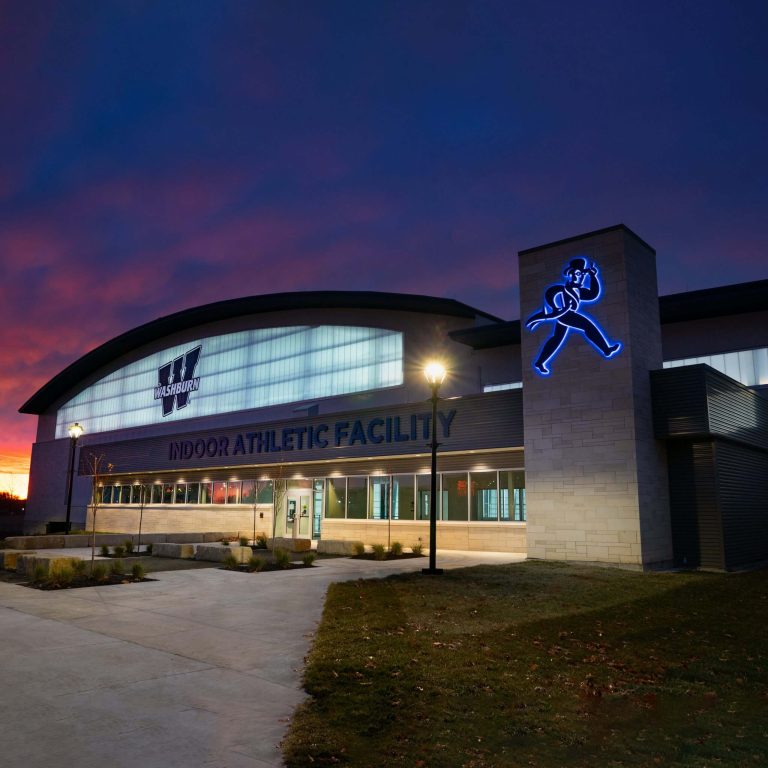
Polycarbonate vs. Fiberglass When daylighting matters and durability counts, polycarbonate outperforms fiberglass across the board. From clarity and strength to long-term performance, polycarbonate delivers. Meanwhile, fiberglass—once a low-cost option—too often ends in costly failures and premature replacement. A Comparison Architects Can Rely On Fiberglass: The Dollar-Store Solution Falling Apart Polycarbonate: The Engineered Upgrade Case Studies:…
Read More