
Glazing Gazette
What is the best type of glass for your project?
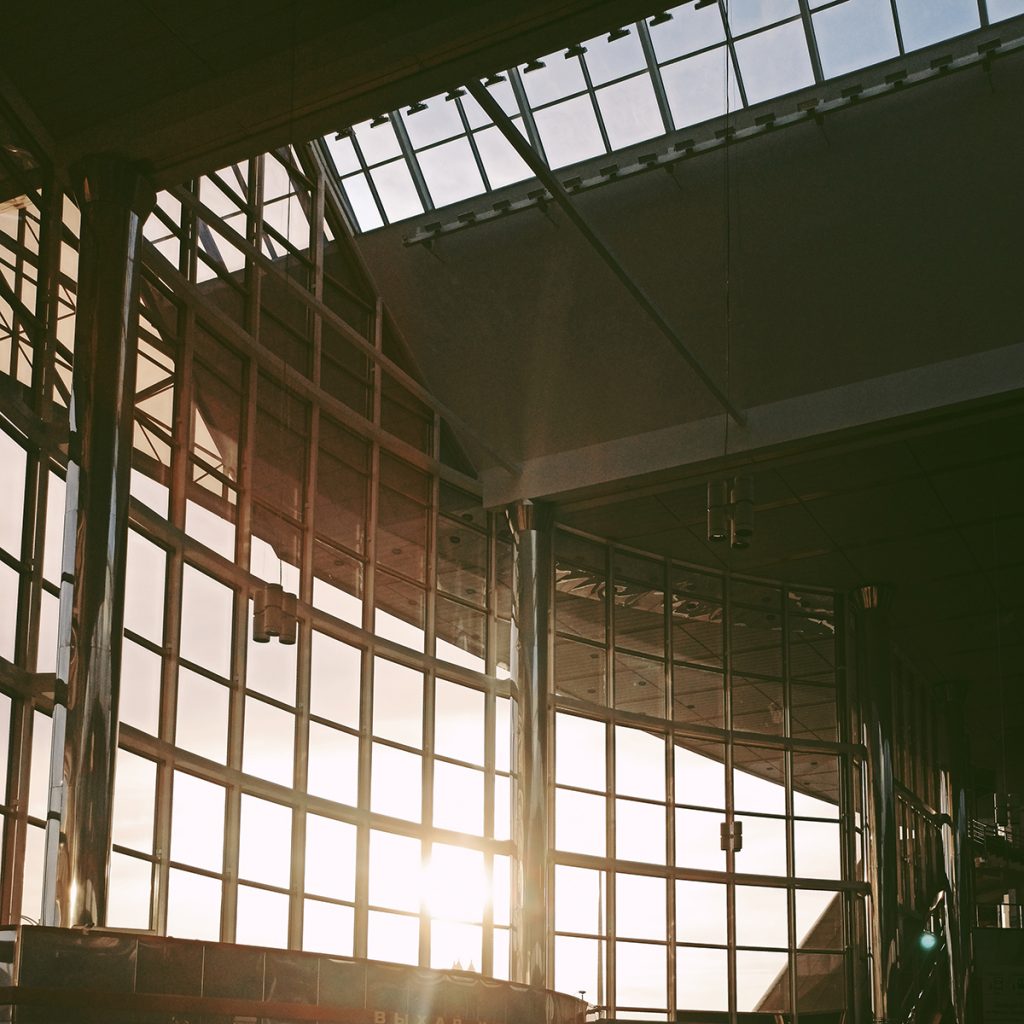
The type of glass you’ll want to use on your skylight, canopy, or other sloped glazing depends on the building codes in the area and the placement of the glazing. When you want an opening in the building envelope, glass is the answer. It doesn’t crack, fade, yellow, shrink or haze on its own. Glass withstands…
Read MoreHow to get the nurturing effects of nature
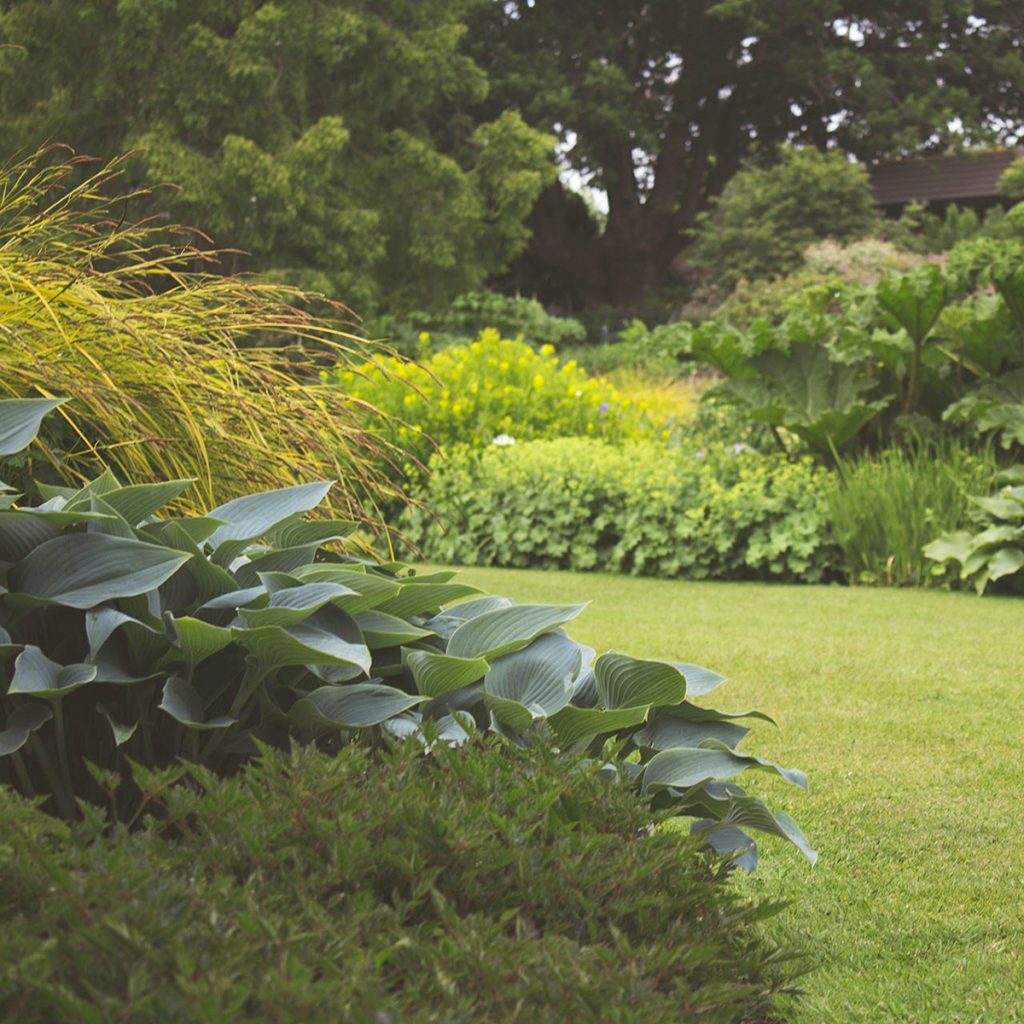
The architectural trend of including nature to nurture building occupants will help create a better future for everyone. If you want to improve your memory performance, attention span and overall cognitive abilities nature is your answer. And the trend toward more human-focused architecture has recognized the connection between people and their environments. More and more new…
Read MoreHeat Gain & Heat Loss
Carefully planning for heat loss and heat gain can reduce heating/cooling costs while giving you the benefit of an additional daylight source. Working in an industry that uses glass and polycarbonate for structures and openings in the roof, we know a lot about heat gain and heat loss. It’s a big concern for almost all of our…
Read MoreGreen Building Certification Programs
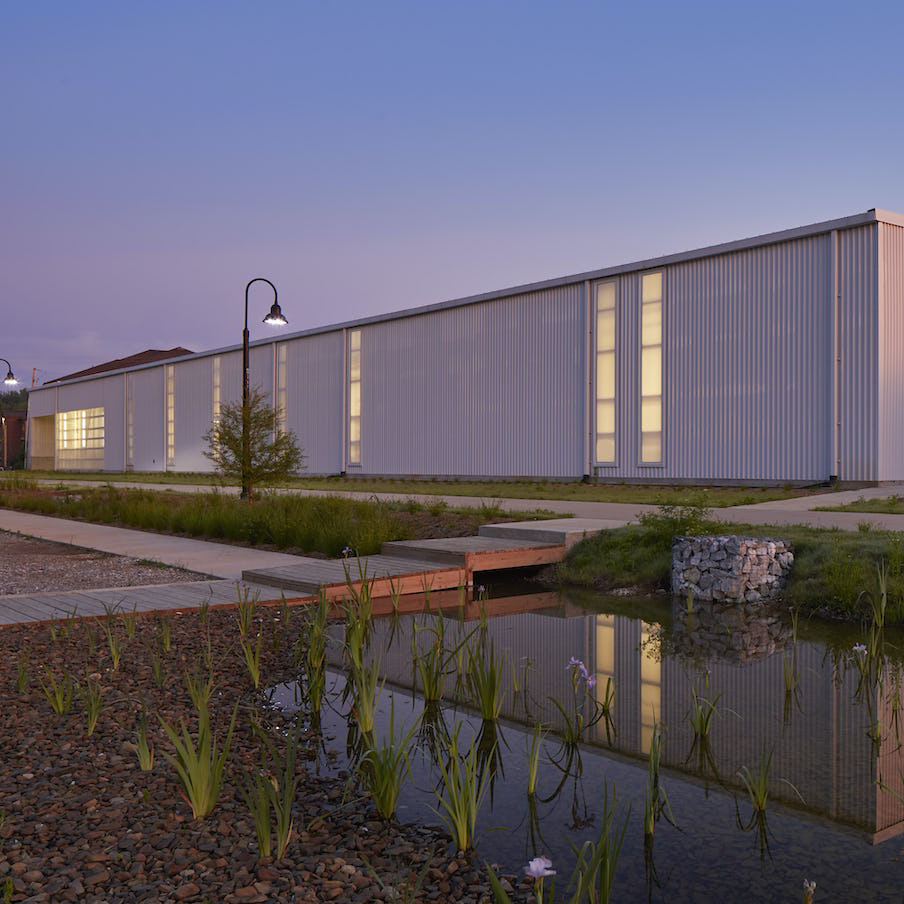
No matter which program you choose, the commitment to build based on what is good for the community as a whole is always a winning proposition. Every new building project brings a fresh opportunity to provide the best atmosphere for the occupants and sustainability to benefit the environment. With FITWEL, WELL building standards and LEED,…
Read MoreValue Architecture: keeping the design, improving the outcome

The term “value engineering” originated at General Electric. Many times an otherwise well-designed project is stalled after the first budget quotes are returned. At this point, everyone scrambles for ways to “cut back” or “re-engineer” to move the project forward. The term “value engineering” is bandied about and then the design revisions start. Value Engineering –…
Read MoreArchitectural Upcycling
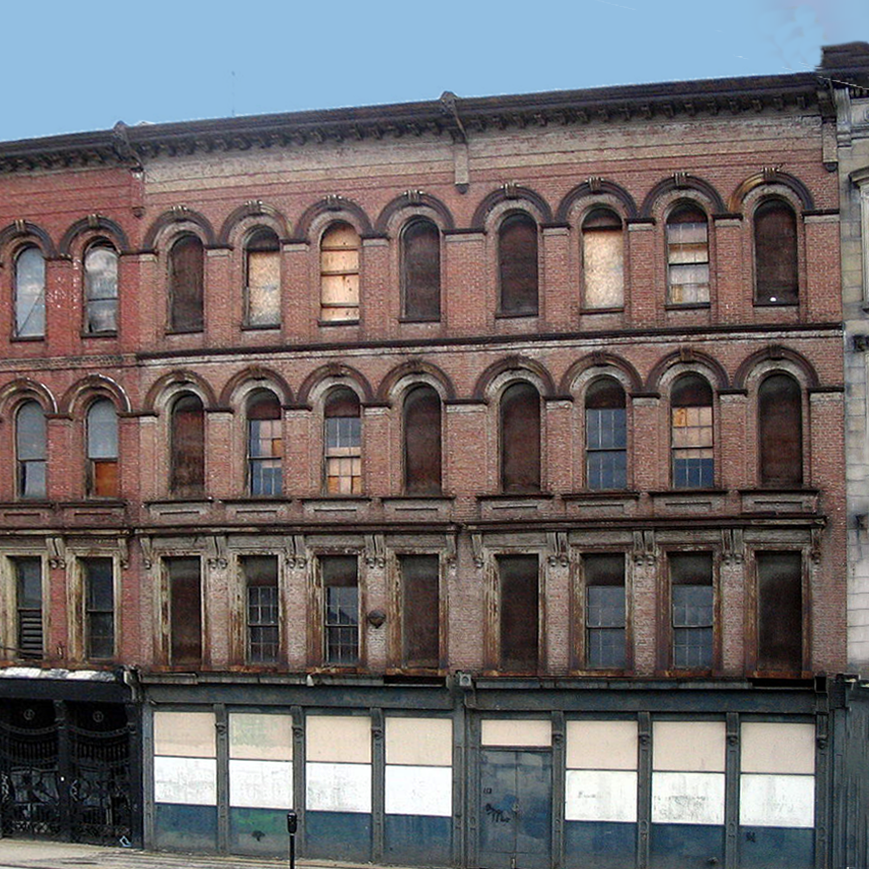
The second lives of buildings around the world are just beginning, they are being reborn as urban paragons of sophistication and style. How do you save money on overall building design, materials, and construction costs? Adaptive reuse. If form follows function, the last era left us with large form buildings that no longer served the function.…
Read MoreWhy full-spectrum light is the secret to better schools

People spend over 90% of their time indoors, including full-spectrum light in the school is vital to the health and well-being of the students. People are inherently tuned to seek out daylight. It’s in our DNA that the sun is good for us, providing the activating source for vitamin D, and helping regulate our circadian rhythms (sleep/wake…
Read MoreGood daylighting gone bad

The quality of light has nothing to do with the quantity of light available. It’s more about the perception of brightness. Too much of a good thing is, well too much! The same goes for sunlight. When it comes to using natural light in the workspace it’s easy to go overboard which causes an entirely…
Read MoreDaylighting quality and quantity

Filtering the appropriate amount of daylight assures that everyone using the space will enjoy the benefits that come with daily exposure to the sun. As daylight floods unfiltered through the windows in the vaulted main room of Grand Central Terminal (NYC), it’s easy to see how overwhelming the sun can be. Using sunlight in this manner was…
Read More7 Reasons to incorporate daylighting

As more people become aware of the many positive effects of sunlight on the body and mind, the demand for “healthy” buildings will continue to increase. Just about every company that makes glazed structures has read at least one study about how important it is to be exposed to natural daylight. But you might be…
Read More